
Review · BOSTON
Sushi Making Class at a Local Brewery in Boston
The best part of this Boston class is the setting: you make sushi inside a local brewery, with a cold craft beer nearby and a chef guiding your hands through each step. Chef Harold brings more than 20 years of food-industry experience, and the class gives you a full meal rather than a small taste.
I like the hands-on format and the practical menu. You make miso soup, shrimp tempura hand rolls, a sweet potato hand roll, and a spicy tuna roll, so you leave with several basic techniques. I also like the clear dietary focus, since the ingredients are gluten-free, nut-free, and dairy-free.
The main drawback is the class size, which can reach 25 people. Chef Harold does not use a microphone, so hearing every instruction may be hard from the back or in a noisy brewery. The menu is satisfying, though some people may find it simpler than expected for $75.
Key points at a glance
- Chef Harold brings 20-plus years of food experience, with instruction built around making sushi yourself.
- The class takes place at Long Live Roxbury, giving you a relaxed brewery setting instead of a formal cooking school.
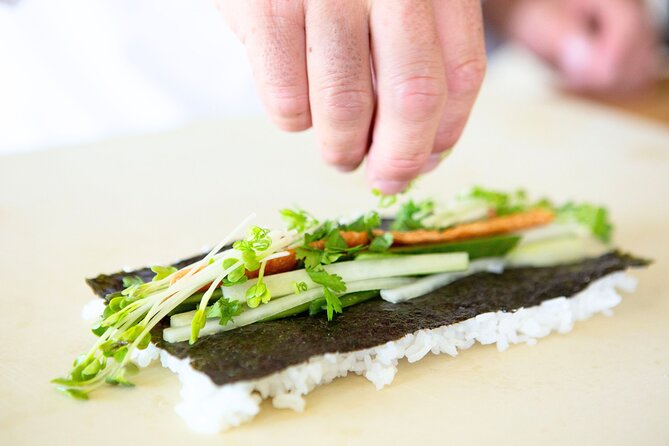
- You make four food items, including miso soup, two hand rolls, and a spicy tuna inside-out roll.
- The ingredients are gluten-free, nut-free, and dairy-free, with advance notice encouraged for other dietary needs.
- Beer is not included, but drinks can be bought at the bar for about $3 to $20.
- The $75 price covers two hours, ingredients, tools, instruction, and a complete meal.
Making sushi at Long Live Roxbury
The class begins at noon at Long Live Roxbury, located at 152 Hampden Street in Boston’s Roxbury neighborhood. You return to this same location when the class ends, so the outing is simple to plan and does not involve moving between several stops.
The venue matters. A brewery gives the class an easygoing feel, with the bar close at hand and craft beer available for purchase. This is not a quiet restaurant lesson or a polished culinary-school setting. It is a social food activity in a community-focused room, which makes it a natural fit for a date, a small group of friends, or anyone who wants a relaxed afternoon activity.
The maximum group size is 25 people. That is large enough to create a social mood, but it also affects how closely you can follow the chef. Chef Harold does not use a microphone, and hearing instructions may be difficult if you are seated far away or the room is noisy. I would arrive ready to sit where you have a clear view of the demonstration.
You receive a mobile ticket, and the class is offered in English. Confirmation is sent within 48 hours of booking, subject to availability. Since the class is often booked about 33 days ahead, you should not treat this as a last-minute activity if your Boston plans are fixed.
More brewing workshops around the USA:
- Sushi Making Cooking Class at a Local Brewery in Charlotte
★ 5.0 · 2 reviews - San Diego: 2-Hour Pasta Cooking Class at a Local Brewery
★ 5.0 · 2 reviews - Bruges: Belgian Waffle-Making Workshop with Beer Tasting
★ 4.9 · 960 reviews
Starting with miso soup, dashi, and wakame
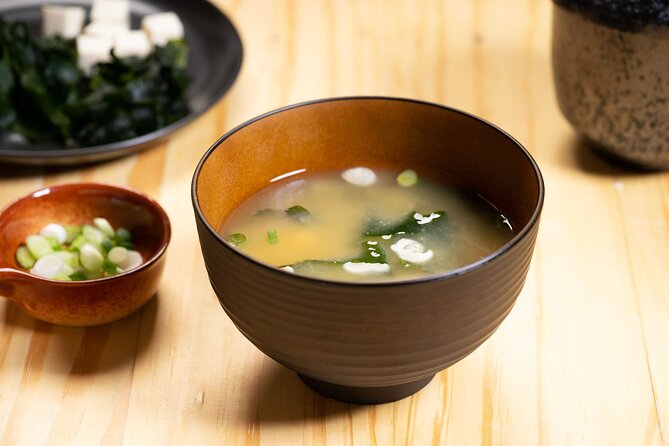
The first dish is miso soup made with miso paste, dashi, and wakame seaweed. This is a useful choice for a sushi class because it introduces a few core Japanese ingredients before you begin handling rice and nori.
You get a warm bowl of soup at the beginning, which gives the class a proper opening meal rather than making you wait until the rolls are finished. Miso paste brings the savory base, dashi adds depth, and wakame supplies the seaweed element in a simple form.
This part is also approachable if you are new to Japanese cooking. The menu does not ask you to master a long list of sauces or complicated knife work. Instead, you begin with a familiar soup and then move toward rolling.
Shrimp tempura hand rolls are your first sushi project
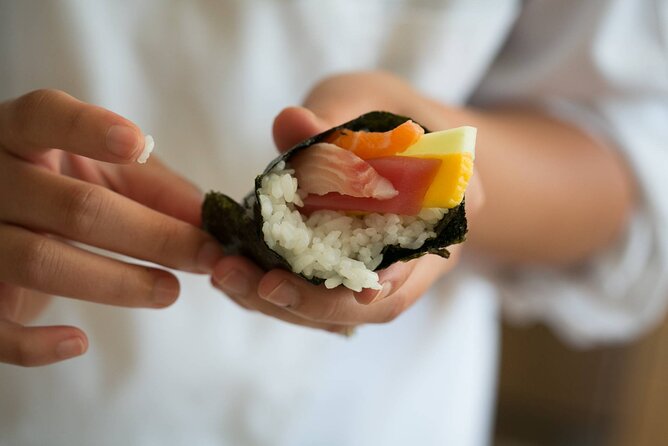
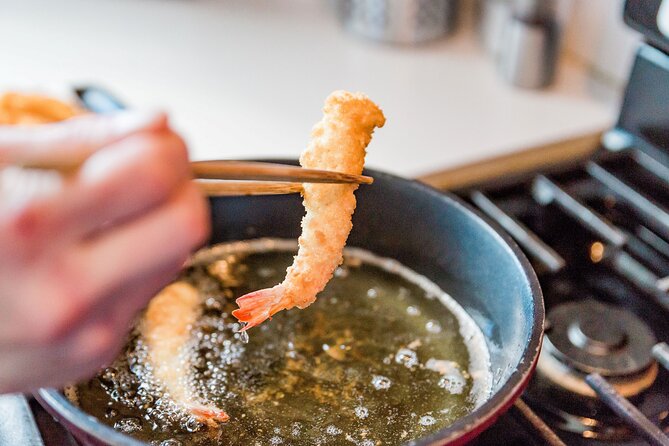
The shrimp tempura hand roll combines shrimp, nori, and sushi rice. A hand roll, or temaki, is shaped into a cone and eaten by hand. It is generally more forgiving than a tightly cut sushi roll because you do not need to create perfect slices for presentation.
That makes this a sensible first roll for a class. You can focus on spreading the rice, placing the filling, and folding the nori into shape. The process gives you a feel for how much rice and filling to use, which is one of the basic challenges of homemade sushi.
The shrimp tempura also adds texture. You get the contrast of crisp shrimp, soft rice, and the dry snap of nori. Since the class provides the ingredients and cooking tools, you do not need to bring special equipment or shop for separate sushi supplies.
The class description does not specify that you fry the shrimp yourself, so you should expect instruction centered on assembling the hand roll rather than assume a full tempura lesson. That distinction matters if your main goal is learning frying technique.
Sweet potato makes the second hand roll accessible
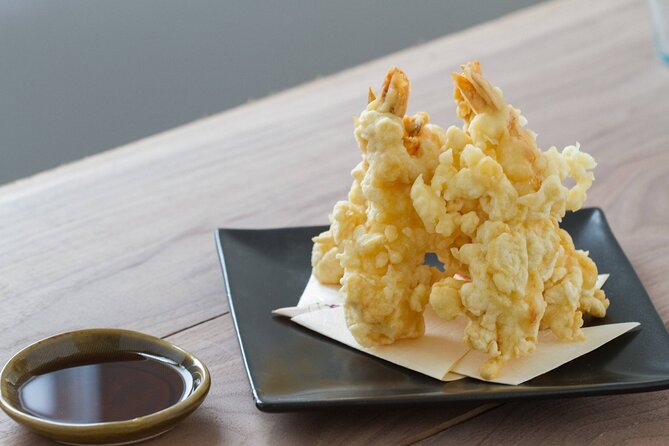
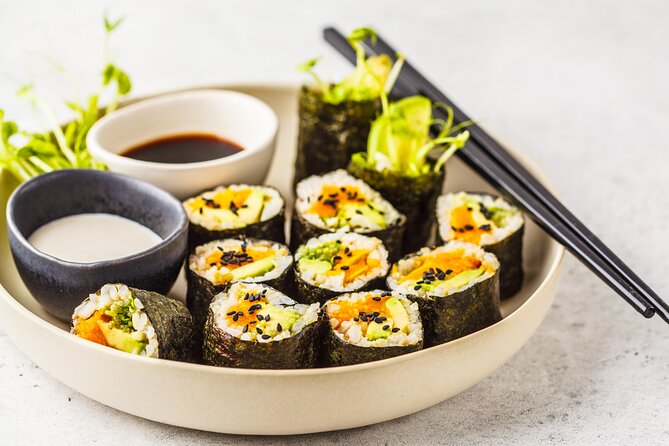
The sweet potato hand roll uses sweet potato, nori, and sushi rice. It gives the menu a vegetable option alongside shrimp and tuna, and it adds a softer, sweeter filling to the meal.
I like this pairing because it keeps the class approachable for people with different food preferences. You can practice the same hand-roll shape with a filling that has a different texture from shrimp. The sweet potato version also helps balance the menu, which otherwise leans toward seafood.
The ingredients are described as gluten-free, nut-free, and dairy-free. If you have another dietary restriction, you should tell the organizer in advance. The class is designed to accommodate a range of needs, but the practical options depend on what can be arranged for your booking.
More brewery tours worth booking around the USA:
- Hidden Brewery Caverns Tour in Cincinnati with Beer Tasting
★ 5.0 · 1,758 reviews - All-Inclusive Pub Crawl with Moonshine, Cocktails, and Craft Beer
★ 4.5 · 975 reviews - Denver Craft Beer Tour in Lower Downtown
★ 5.0 · 673 reviews - Nashville Brewery & Distillery Tour by Golf Cart
★ 4.5 · 664 reviews
The spicy tuna roll tests your technique
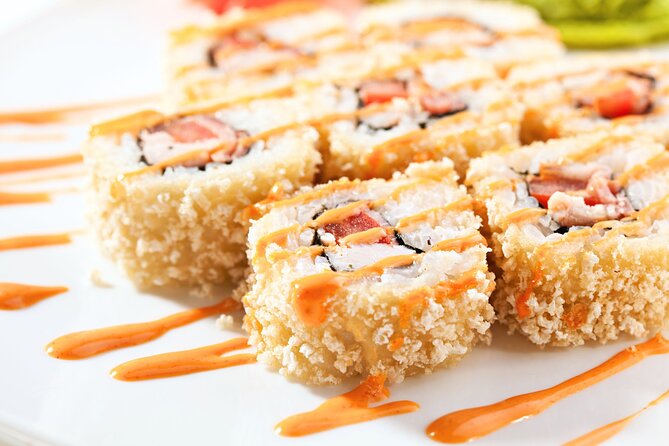
The final main item is a spicy tuna roll made with tuna, sushi rice, and nori. Unlike the hand rolls, this is an inside-out roll, known as uramaki. The rice sits on the outside, with the nori and filling inside.
This is the most technique-focused part of the menu. You need to spread rice evenly, keep the filling in place, and roll with enough pressure to hold the shape without crushing it. Cutting the roll cleanly is another small test, since loose rice or overfilled centers can make the pieces fall apart.
You do not need professional sushi skills to take part. The format is designed for beginners, and the chef provides instruction, tips, and practical methods you can use later. Still, do not expect every piece to look restaurant-perfect on the first try. The point is to learn the process and eat what you make.
The spicy tuna also gives the meal a more familiar sushi-bar flavor after the gentler miso soup and sweet potato roll. Together, the dishes cover warm soup, cooked seafood, vegetables, and raw tuna without making the menu too large for a two-hour class.
What Chef Harold adds to the class
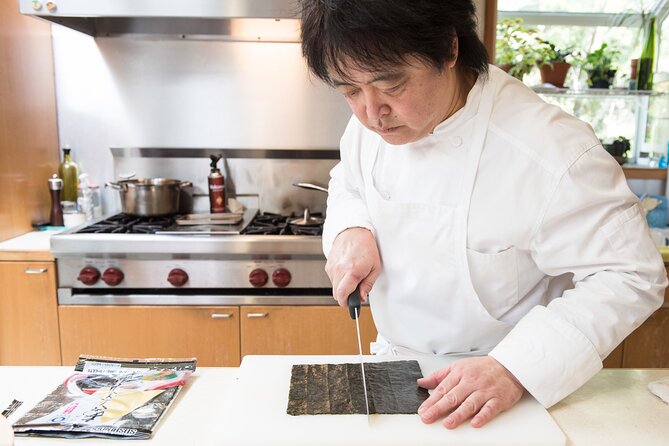
Chef Harold is the named chef connected with the session, and his background includes more than 20 years in the food industry. His role is not only to show you how to roll sushi. He also explains the food and shares chef tips that can help you repeat the dishes at home.
A useful feature is the chance to ask questions while you work. This is more valuable than watching a short demonstration and then receiving a finished plate. You handle the rice, nori, and fillings yourself, so the advice has an immediate purpose.
The chef’s personal food-industry stories add a human element to the lesson. At the same time, the lack of a microphone is worth taking seriously. If you have hearing concerns, sit close to the demonstration area and ask questions when instructions are unclear. A group of up to 25 can make a quiet explanation harder to catch.
The strongest praise for this class centers on Chef Harold’s instruction, the fresh food, and the attractive venue. Those are the parts most likely to shape your day. The class works best when you value learning and social time as much as the amount of food on the plate.
A $75 class with beer sold separately
The price is $75 per person. That includes a two-hour cooking class, all ingredients, all cooking tools, chef instruction, and the food you prepare. It does not include drinks, which are available at the brewery bar for roughly $3 to $20.
The value is fair if you compare it with a standard meal plus a guided activity. You are not paying only for sushi. You are paying for a chef-led lesson, a full meal, and the setting of a local brewery. If you add one or two beers, your final cost rises, so budget for drinks separately.
The menu is not especially large. You receive miso soup, a shrimp tempura hand roll, a sweet potato hand roll, and a spicy tuna roll. Some people may want more variety or more advanced sushi at this price. The tradeoff is that the smaller menu fits the two-hour schedule and gives you time to make each item yourself.
I would see the class as better value for someone who wants an activity with lunch than for someone seeking a large restaurant-style feast. You get the most from the price if you use the chef’s advice and plan to repeat the recipes later.
Who will enjoy this Boston food activity
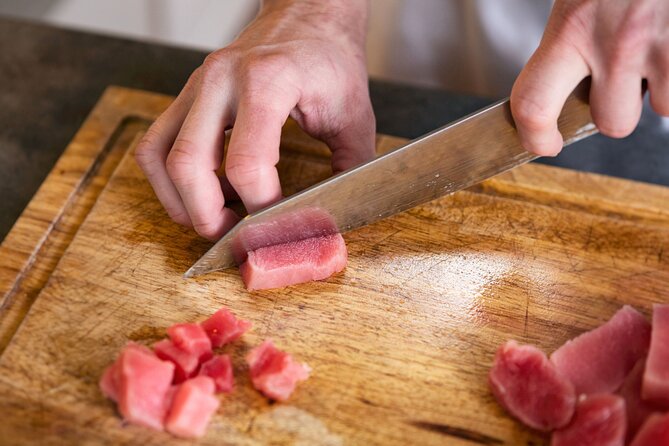
This class suits couples looking for a date with something to do besides sit across a table. It also works well for friends who enjoy craft beer and casual cooking. The brewery setting makes the event social without requiring you to have advanced cooking skills.
It is a good choice for a first sushi lesson because the menu includes simple hand rolls as well as one more technical inside-out roll. You get a gentle introduction before facing the trickier preparation.
People with gluten, nut, or dairy concerns may find the menu especially useful, since those ingredients are excluded. You should still share your needs before the class rather than rely only on the standard menu. The organizer asks for advance notice and will try to tailor the experience.
This may be less suitable if you want a small, quiet lesson with constant one-on-one help. A group of 25 and a brewery room can create distractions. It may also disappoint anyone who expects a long chef’s menu, extensive knife training, or drinks included in the ticket.
Timing, booking, and cancellation details
The class starts at 12:00 pm and lasts about two hours. A midday start makes it easy to treat the session as lunch, though you may want a light breakfast since the meal builds gradually as you prepare it.
The activity is often reserved about 33 days ahead. Confirmation arrives within 48 hours, subject to availability. If you are planning around a particular Boston weekend, booking early is sensible.
You can cancel for a full refund up to 24 hours before the start time. Cancellations made less than 24 hours ahead are not refunded, and changes inside that window are not accepted. If the minimum number of people is not met and the class is canceled, you are offered another date or experience, or a full refund.
Service animals are allowed. The class ends back at Long Live Roxbury, so you do not need to arrange a separate pickup location.
Should you book the sushi and brewery class?
I would book this class if you want a social Boston food activity with a real meal at the end. Chef Harold’s experience, the fresh ingredients, and the relaxed brewery setting give the session more substance than a quick demonstration.
The decision comes down to your expectations. At $75, the class offers solid value for two hours of instruction, food, and tools, but the menu is fairly simple and drinks cost extra. Sit close to the chef, arrive prepared to listen in a lively room, and tell the organizer about dietary needs ahead of time.
Book it for a casual date, a friend outing, or a first lesson in making sushi at home. Skip it if you want an intimate class, a broad tasting menu, or advanced sushi training.
FAQ
Where does the sushi-making class take place?
The class starts and ends at Long Live Roxbury, located at 152 Hampden Street, Boston, Massachusetts 02119.
How long does the class last?
The experience lasts approximately two hours.
What time does the class start?
The scheduled start time is 12:00 pm.
What food will I make?
You will make miso soup with miso paste, dashi, and wakame seaweed; a shrimp tempura hand roll; a sweet potato hand roll; and a spicy tuna roll.
Are drinks included in the $75 price?
No. Drinks are available for purchase at the venue’s bar, with listed prices ranging from $3 to $20.
Are ingredients and cooking tools provided?
Yes. The class includes all ingredients and cooking tools.
Is the food suitable for specific dietary needs?
The standard ingredients are gluten-free, nut-free, and dairy-free. You should share other dietary needs in advance so the organizer can try to adjust the experience.
How many people can join the class?
The activity can have a maximum of 25 participants.
Can I cancel for a refund?
Yes. You can cancel up to 24 hours before the start time for a full refund. Cancellations made less than 24 hours before the class are not refunded.
Freshly tapped around the USA
- Private Custom Brewery Tour in a ’72 VW Bus – Roadies Local★ 5.0 · 13 reviews
- Viking Brewery Tour★ 5.0 · 23 reviews
- KaBrew: Traverse City’s Original Kayak Brewery Tour Experience★ 4.5 · 15 reviews
- NON BUS MOVIE STARS Traverse City Brewery And Distillery Tour★ 5.0 · 2 reviews
- Temecula’s Best Combo/Beer Tour★ 5.0 · 5 reviews
- Private Sidecar Brewery Tour through Temecula★ 4.0 · 7 reviews
- Tampa Heights Private Brewery Tour by Custom Golf Cart★ 5.0 · 11 reviews
- Ybor City Private Brewery Tour by Custom Golf Cart★ 5.0 · 14 reviews
Boston Brewery Tours, compared.

Signature Boston Guided Brewery Tour with snack
Read our review →
Boston: Freedom Trail History Tour and Brewery Taste
Read our review →
Browse the lists this tour appears in