
Review · COLOMBIA
Salento: Coffee Master Roasting, Brewing and Tasting Tour
The best part of this two-hour workshop is that you do not just hear about coffee, you handle the process. You watch green beans change in a drum roaster, roast a 2 kg batch under supervision, then brew and taste specialty coffees yourself.
I like the small group size, limited to 10, and the chance to compare four classic pour-over methods side by side. I also like the practical touch: the owner has helped participants understand home coffee machines, so you can bring real questions instead of simply listening to a lecture.
The main consideration is that this is a serious tasting session, not a casual plantation visit with a meal. You need to arrive fed, avoid perfume and smoking beforehand, and note the conflicting mobility information: the activity is listed as wheelchair accessible but also marked unsuitable for wheelchair users.
Key points to know before you book
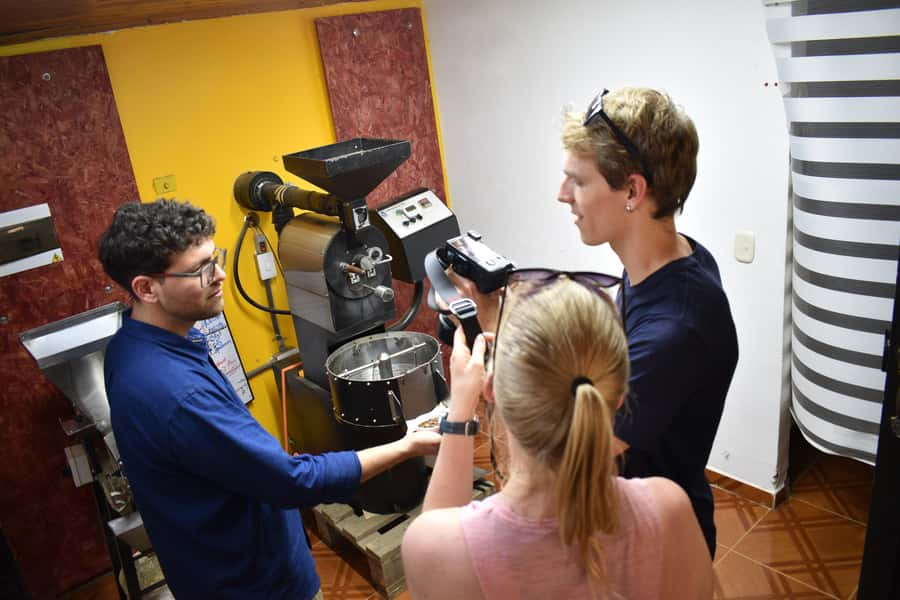
- Roast a 2 kg batch: You take part in roasting specialty coffee under expert supervision rather than watching from a distance.
- See the science in the drum: The technician explains conduction, convection, energy transfer, and the physical and chemical changes inside the beans.
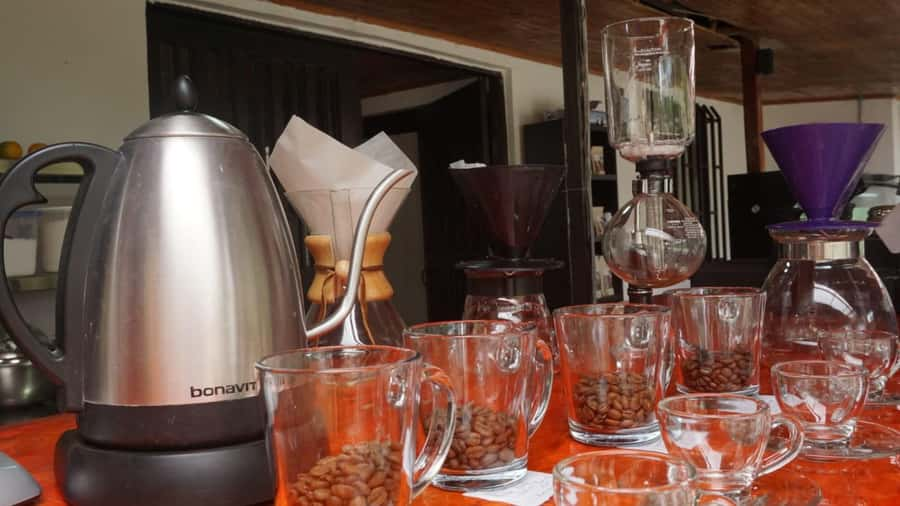
- Brew four ways: You work with four pour-over coffee makers and compare how each method affects the cup.
- Taste different processing styles: The session covers full washed, extended fermentation, and natural coffees.
- Small and personal: Groups are capped at 10, with English and Spanish instruction.
- Plan around your senses: Eat first, and skip strong scents, smoking, and alcohol before the tasting.
Starting with green beans and a hot drum
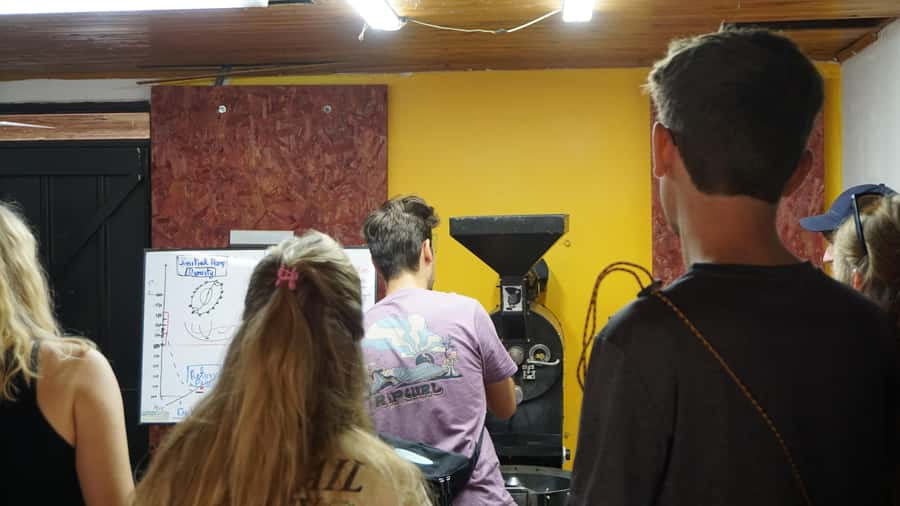
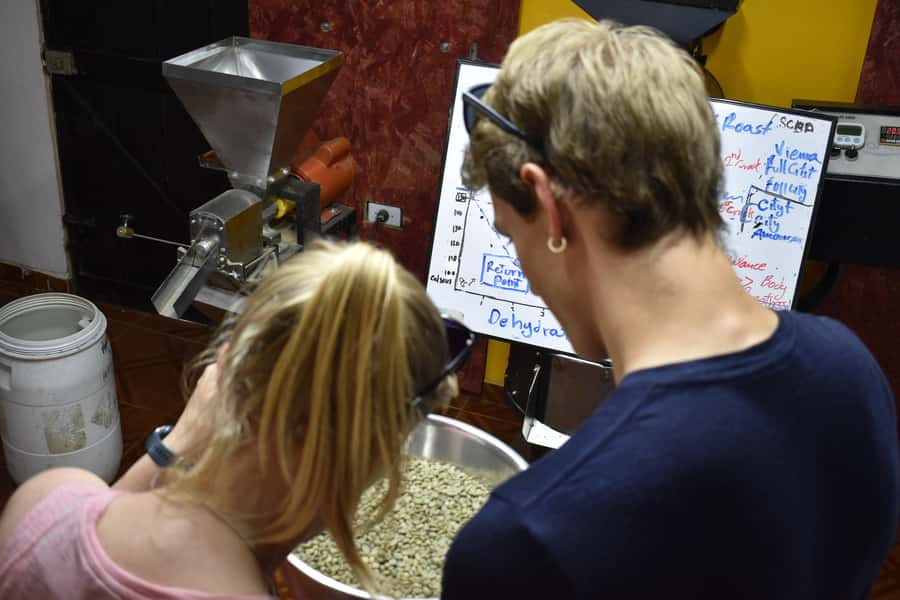
Coffee often reaches the cup as a finished product, with the most important steps hidden behind a bag or café counter. Here, you begin closer to the source. The workshop introduces you to green coffee and shows how heat turns those hard, pale beans into something fragrant and drinkable.
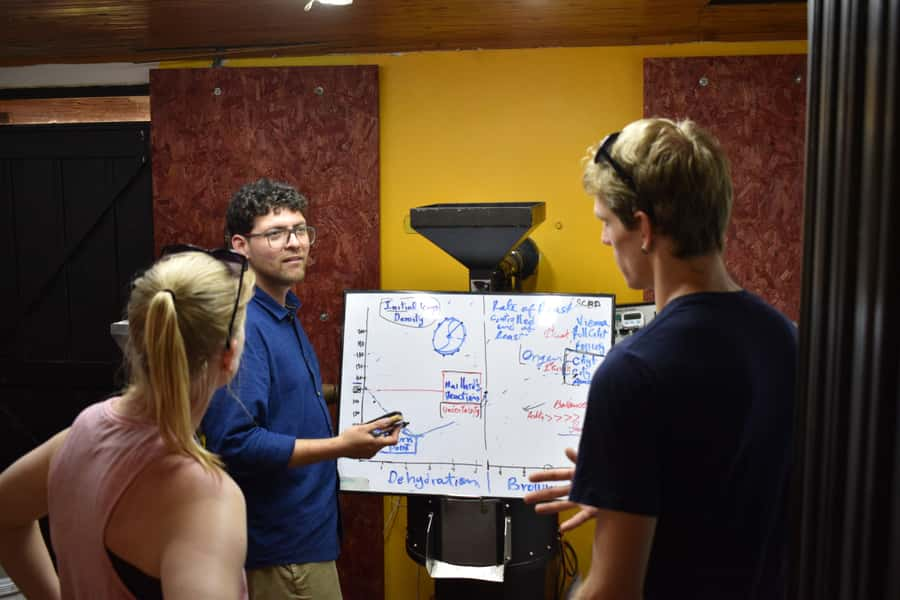
The drum roaster is the first major lesson. A technician explains how heat moves through the beans by conduction and convection. In plain terms, you learn that roasting is not just turning up a flame and waiting. The beans absorb heat, change color, release moisture, expand, and develop new aromas and flavors through a chain of physical and chemical reactions.
That explanation gives the activity more substance than a simple demonstration. You can connect what you see in the roaster with what you later taste in the cup. A lighter or darker roast is not just a color choice. It changes the balance of acidity, sweetness, body, and aftertaste.
The session also covers roasting profiles and coffee origin. This matters because beans from different places can respond differently to heat and can produce very different flavors. The focus stays practical, helping you understand why a roaster makes specific choices instead of treating roasting as a mysterious craft.
More Beer Tastings in the world:
- Bruges: Guided Tour & Boat Ride with Optional Beer Tasting
★ 4.4 · 3,894 reviews - Prague: Pilsner Urquell Experience & Beer Tasting
★ 4.7 · 3,480 reviews - Cologne: Brewery Tour with 3 Kölsch Beer Tastings
★ 4.7 · 3,108 reviews
Your turn at the 2 kg roasting session
The hands-on roasting segment is the part that gives this workshop its character. You get the chance to roast a 2 kg batch of specialty coffee with guidance from the team. That is enough coffee to make the process feel real, but you are not left to guess your way through it.
You can expect close attention to the stages of roasting, from the green beans entering the drum to the finished batch coming out. The supplied information does not promise that you control every setting, so think of this as supervised participation rather than a private professional roasting class.
That distinction is useful. If you already roast coffee at home or work in coffee, you may want a longer technical course with detailed roast data. If you are curious about what happens before brewing, two hours gives you a clear and lively introduction without asking you to spend half a day in a classroom.
The owner leads the experience and brings a personal, relaxed approach to the session. The name of the owner is not provided, but the activity is operated by Coffee Cupping Micro Roasters. You should expect the interaction to feel more like a small workshop than a large scripted tour.
Four pour-over methods, one useful comparison
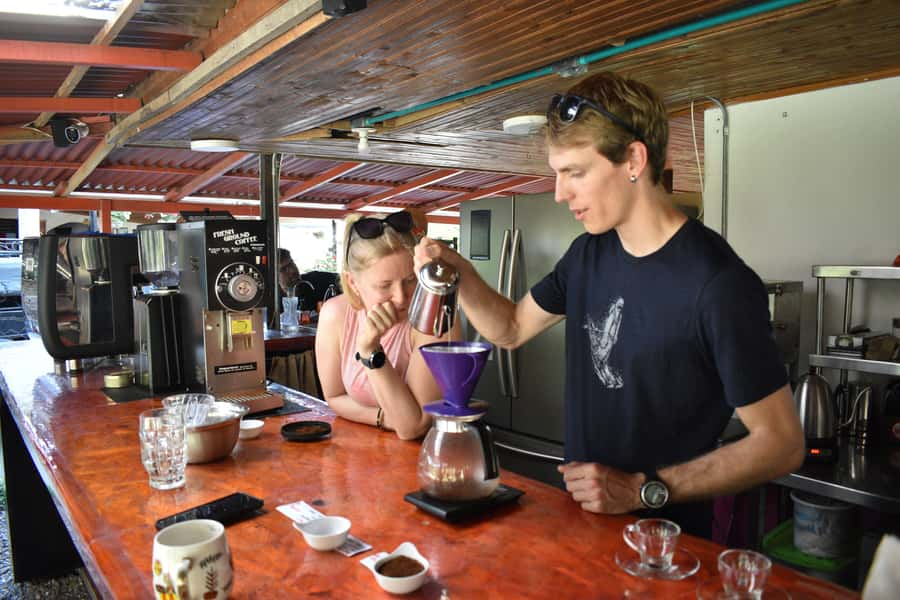
After roasting, the focus shifts from heat to water. You work with four different pour-over coffee makers and explore the basic mechanics of brewing. This is where the experience becomes especially useful for anyone who wants better coffee at home.
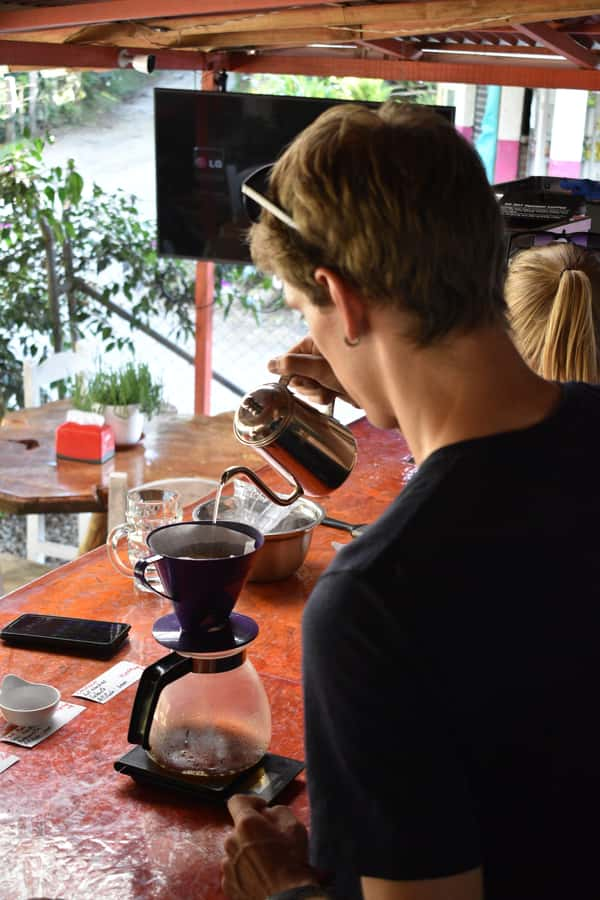
Pour-over brewing gives you a direct look at the factors that shape a cup. The brewer, water flow, timing, and contact with the coffee all affect the result. You prepare the coffee yourself, so the lesson is not only about equipment. You can notice how the method changes the aroma, texture, sweetness, and finish.
The workshop includes a full hands-on preparation of five exotic coffees for sampling. You do not simply receive a flight of cups. You take part in making them, then compare the results. That makes it easier to remember the lessons once you return home.
One especially useful detail is the chance to ask about home equipment. An individual participant received help using a coffee machine at home, which shows how the activity can move beyond the planned tasting. If you have a brewer that puzzles you, bring your questions and ask. The relaxed setting is better suited to that kind of exchange than a crowded group demonstration.
Tasting washed, fermented, and natural coffees
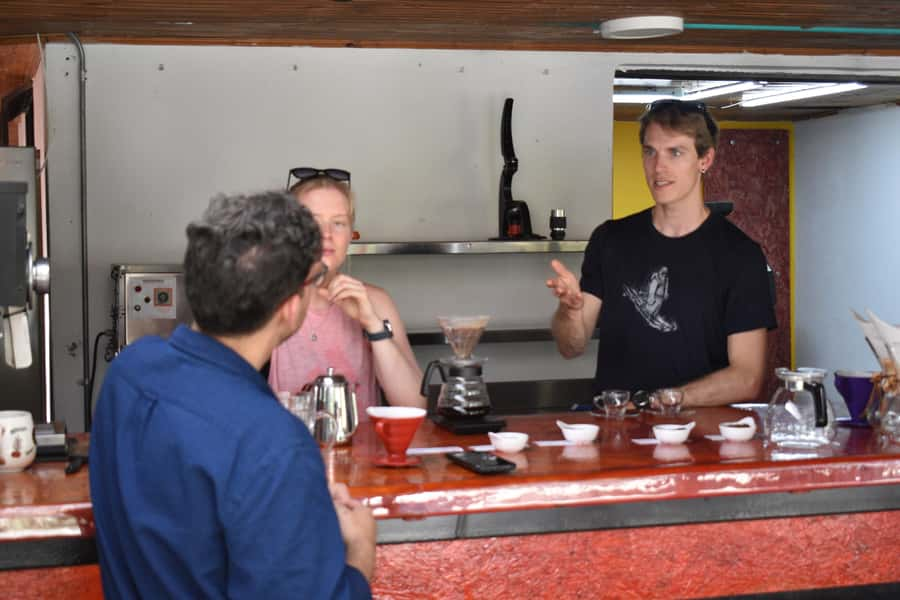
The tasting session introduces three processing styles: full washed, extended fermentation, and natural. These terms describe what happens to the coffee fruit and seed after picking, and they can lead to clear differences in the cup.
Washed coffees are generally associated with a cleaner, more direct profile. Extended fermentation can create unusual aromas and more pronounced flavor notes. Natural coffees are dried with more of the fruit around the seed, which can bring a fruitier character. The workshop does not ask you to memorize technical definitions. It helps you connect the processing method with what reaches your senses.
You learn to assess acidity, sweetness, body, and aftertaste. These are useful tasting tools, even if you never plan to become a coffee expert. Acidity is the lively quality that can make a coffee feel bright. Sweetness gives it balance. Body describes the weight or texture in your mouth, while aftertaste is what remains once you swallow.
You should not expect every coffee to taste familiar. The word exotic in the description suggests a more distinctive tasting lineup, and the emphasis is on specialty coffee. If you normally take coffee with milk or sugar, the session may push you outside your usual habits. That is part of the point, but it may not suit someone who wants a quick, conventional cup.
More coffee stops around the world:
- Cartagena Coffee Masterclass: Artisanal Roasting and Brewing
★ 5.0 · 3 reviews - Buon Ma Thuot: Specialty Coffee Tour and Brewing Experience
★ 5.0 · 2 reviews
Why the two-hour format works
Two hours is enough time to cover roasting, brewing, and tasting without turning the visit into a full-day commitment. The pace should feel active because you move between explanations and practical work.
A short format also forces the activity to stay focused. You will not get a broad plantation tour, a long history of Colombian coffee, or a meal. Instead, you spend your time on the technical path from green bean to brewed coffee.
That focus is a good match for a first coffee workshop. You leave with a better sense of how roast level, origin, processing, and brewing method connect. I would choose a longer farm visit if your main goal is to walk through coffee fields or learn about agricultural work. I would choose this workshop if you care most about the cup and want to understand why it tastes the way it does.
The setting is in Tolima, associated with the Salento experience, and one participant found it easy to reach from Salento. The activity does not include transportation to the plantation, so you need to arrange your own way there. That keeps the price lower than a packaged excursion with transfers, but it places more responsibility on you.
What the $52 price really buys
At $52 per person, this is not the cheapest way to drink coffee, but you are paying for more than a tasting. The price includes the guided session, the roasting demonstration, supervised roasting, the brewing workshop, beverages, and insurance.
The strongest value comes from participation. You get access to roasting equipment, four brewing methods, and a set of specialty coffees in one compact session. Buying several specialty coffees and testing different brewers on your own could cost a fair amount, while giving you less guidance.
The price is less compelling if you only want a scenic farm visit or a souvenir bag of beans. Meals and transportation are not included, and the workshop lasts only two hours. You should also remember that the activity is educational. The coffee tasting is the centerpiece, not an extra stop added to a larger sightseeing day.
The small group limit helps justify the cost. With no more than 10 people, the owner or instructor has a better chance to answer questions and watch your brewing technique. The personal attention also explains why the experience can work well for a coffee beginner who wants clear help without feeling lost in a large class.
Who will get the most from this workshop
I would recommend this experience to coffee drinkers who want to understand their daily cup. It is a strong fit if you enjoy tasting different origins, want to improve your pour-over routine, or have questions about roasting and brewing equipment.
It also suits curious visitors who prefer a focused local activity over a large sightseeing tour. The owner’s relaxed approach and conversation about local culture add a human side to the technical material. You are not just learning a process in isolation. You are meeting someone whose work is closely tied to coffee.
The workshop is not suitable for children under 15. It may also be uncomfortable for people with back problems because the activity involves standing or working around equipment, although the exact physical demands are not specified.
The mobility information needs care. The activity details say wheelchair accessible, but the same information lists wheelchair users among those not suitable for the experience. Contact the provider before paying if this affects your plans. Do not rely on the general accessibility label alone.
Prepare your nose and appetite
The tasting depends on your sense of smell, so preparation matters. Eat a proper meal before arriving. The instructions specifically warn against coming on an empty stomach, which is sensible when you may be sampling several coffees over two hours.
Avoid strong deodorant, perfume, skin lotion, and strong mosquito repellent. These scents can interfere with your ability to notice coffee aromas and can affect the people tasting beside you.
You should also avoid smoking before the session and skip alcohol. Smoking can dull the nose, while alcohol can alter your perception. Chewing gum is not allowed, and you must wear something that keeps your feet covered, since bare feet are prohibited.
Smoking, alcohol, and drugs are not allowed during the activity. These rules are simple, but they matter more here than on an ordinary sightseeing walk because the whole workshop depends on clear sensory judgment.
Booking details that affect your day
The experience runs for two hours, with starting times based on availability. It is offered in English and Spanish, so you can request the language that lets you follow technical explanations most easily.
You can reserve now and pay later, which helps if your Salento plans are still shifting. Free cancellation is available up to 24 hours before the experience for a full refund. Check the confirmed starting time and meeting details before finalizing your day, especially since transportation is not included.
The workshop includes beverages, but not a meal. Plan to eat before you arrive and allow time to get to the plantation independently. Because the group is small, booking ahead is sensible if your schedule in Salento is tight.
Should you book this coffee experience?
Book it if you want to roast, brew, and taste rather than simply watch. The best parts are the supervised 2 kg roast, the comparison of four pour-over brewers, and the chance to assess specialty coffees by acidity, sweetness, body, and aftertaste.
Skip it if you want a broad plantation tour, included transport, or a relaxed coffee stop with food. The experience is focused and hands-on, and the tasting rules require some preparation.
For curious coffee drinkers, $52 is a fair price for a small-group workshop that connects the bean, the roast, and the cup. Eat beforehand, avoid strong scents, confirm the accessibility details, and arrive ready to participate.
FAQ
How long does the coffee workshop last?
The experience lasts two hours.
How much does the activity cost?
The price is $52 per person.
Where does the experience take place?
The experience is located in Tolima, Colombia, and is associated with Salento.
Is transportation included?
No. Transportation to the plantation is not included, so you need to arrange your own transport.
What languages are available?
Instruction is available in English and Spanish.
How many people are in each group?
The activity is limited to 10 participants.
What coffee preparation methods will I learn?
You will work with four different pour-over coffee makers and prepare specialty coffees for tasting.
Which coffee processing styles are covered?
The workshop covers full washed, extended fermentation, and natural processing methods.
Can children join the experience?
No. The activity is not suitable for children under 15 years.
Can I cancel for a refund?
Yes. You can cancel up to 24 hours in advance for a full refund.
Freshly tapped around the world
- Zaanse Schans: Brewery HOOP Tour and Tasting★ 3.4 · 4 reviews
- Zurich Beer Tour – tasting tour with a local beer expert★ 5.0 · 3 reviews
- Wroclaw: Guided Tour & Beer Tasting (2 hours)★ 3.4 · 6 reviews
- Würzburg: Unique Brewery Tour with Beer Tasting★ 5.0 · 2 reviews
- Warsaw: Guided Craft Beer Tour with a Friendly Guide★ 5.0 · 4 reviews
- Warstein: Warsteiner World Brewery Tour★ 4.6 · 3 reviews
- DAILY Beer Tasting Private Guided Tour at Best Warsaw Pubs★ 3.9 · 8 reviews
- Waiheke Island: HEKE Distillery & Brewery Tour with Tastings★ 5.0 · 2 reviews
Beer Tastings, compared.

Prague: Pilsner Urquell Experience & Beer Tasting
Read our review →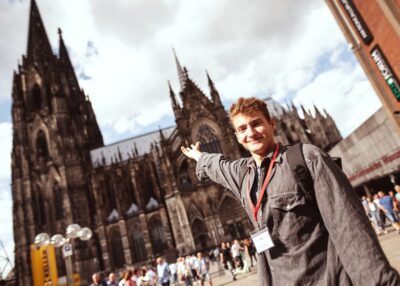
Cologne: Brewery Tour with 3 Kölsch Beer Tastings
Read our review →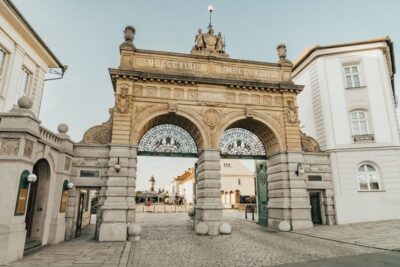
Pilsen: Pilsner Urquell Brewery Tour with Beer Tasting
Read our review →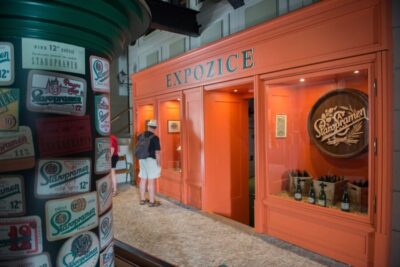
Prague: Staropramem Brewery Self-Guided Tour with Tasting
Read our review →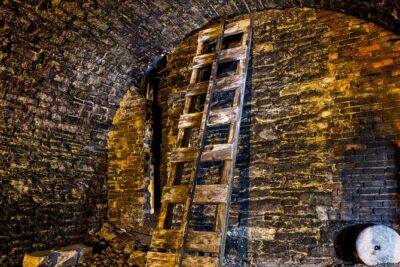
Hidden Brewery Caverns Tour in Cincinnati with Beer Tasting
Read our review →
Düsseldorf: Brewery Tour with Alt Beer Tastings
Read our review →

Bruges: Belgian Waffle-Making Workshop with Beer Tasting
Read our review →Browse the lists this tour appears in