
Review · USA
Philadelphia: Ancient Alcohol Tour & Beer Tasting
Ancient people did not treat alcohol as a side note. At this Penn Museum experience, drinking vessels, burial records, and chemical traces turn old party habits into something you can almost picture. You will see objects linked to Greek drinking games, an Egyptian queen’s golden beer straw, and a libation associated with a banquet held by King Midas.
I like the close look at real archaeological objects, especially one of the world’s oldest wine jars. I also like the scientific angle: a Penn Museum biomolecular archaeologist studied residues from ancient vessels and used chemical analysis to revive clues about fermented drinks. The one drawback is the short 1.5-hour format, which leaves little time for a broad museum visit beyond the tour’s alcohol theme.
The experience is best for curious adults who enjoy museums but want more than dates and labels. You get admission, a professional English-speaking guide, and a beer-tasting voucher for $60 per person. Plan your timing carefully, since the tour is usually offered in the afternoon and the tasting is part of the experience, not a replacement for a full museum day.
Key points to know before you book
- Travel back to 5000 BCE: The tour places modern drinking habits beside some of humanity’s earliest evidence of fermented beverages.
- See unusual objects: Look for an ancient wine jar, early drinking vessels, a queen’s golden beer straw, and Egyptian records of alcohol rations.
- Connect archaeology with chemistry: A Penn Museum biomolecular archaeologist’s research helps explain how residue from old vessels can reveal what people drank.
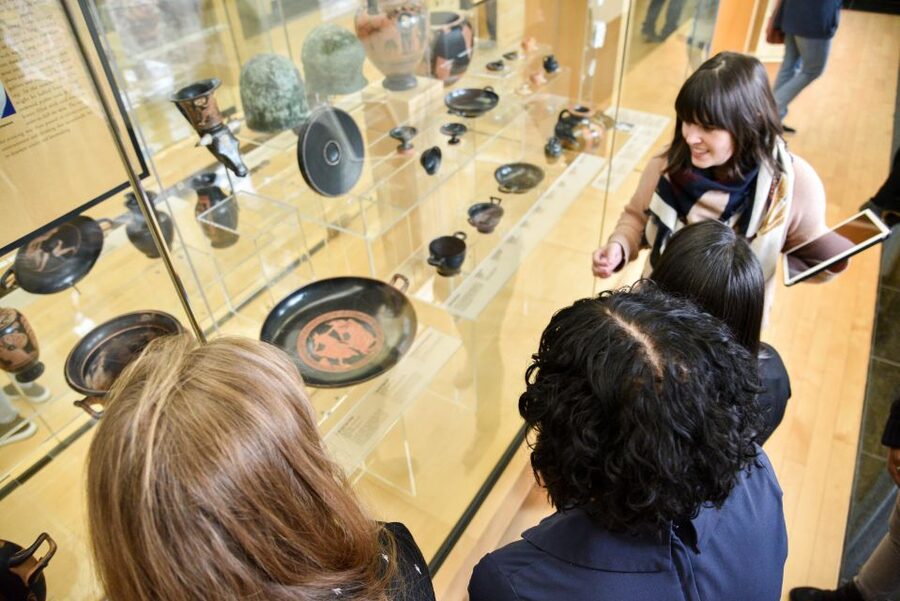
- Hear about Greek drinking games: The vessels are not just decorative objects. They show how alcohol shaped social rituals and contests.
- Finish with beer tasting: Your $60 ticket includes museum admission and a voucher for the tasting.
- Allow time for the meeting point: Enter by the Sphinx through Warden Garden, not simply by walking up to a generic museum desk.
Why ancient alcohol makes a good museum tour
Most museum tours about the ancient world focus on rulers, temples, or warfare. This one uses drinking to examine ordinary pleasures, social rules, ceremony, and death. That gives you a more human route into the past.
The central idea is simple: people fermented drinks thousands of years ago, but they did not consume them in the same way you do today. A vessel can show how a drink was served. A painted scene can suggest how people behaved at a banquet. A written record can reveal how much beer was assigned to someone in the afterlife.
I find that approach useful because it keeps the subject concrete. Instead of hearing a long list of dates, you can connect an object with an action: pouring, sharing, competing, celebrating, or preparing for the next world. The tour is about alcohol, but it is also about how societies organize pleasure.
The time frame reaches back to about 5000 BCE. That is an enormous span, so do not expect a full survey of every ancient drinking culture. The focus is tighter and more engaging: vessels, residues, rituals, and the evidence left behind.
More Beer Tastings in the USA
- Hidden Brewery Caverns Tour in Cincinnati with Beer Tasting
★ 5.0 · 1,758 reviews - Haunted Underground Shanghai Tunnel Tour with Brewery Tastings
★ 4.5 · 405 reviews - Premier Distillery & Craft Brewery Bus Tour with 9+ Tastings
★ 4.5 · 156 reviews
Meeting the guide by the Sphinx
Your meeting point is the Penn Museum’s main entrance, beside the Sphinx. The museum is on South Street across from Franklin Field. To reach the entrance, use the ramp at South and 33rd Streets, pass through the iron gate into Warden Garden, continue by the koi pond, and head to the main doors.
Inside, look for the Sphinx and your guide. This detail matters because the entrance is not described as a street-level meeting spot directly on South Street. Give yourself enough time to find Warden Garden and get inside without rushing.
A professional, English-speaking guide leads the experience. No individual guide name is provided, so do not book this expecting a named specialist. What is clear is the subject matter: the presentation draws on work by a Penn Museum biomolecular archaeologist, giving the tour a research-based center rather than a simple tasting talk.
The experience lasts 1.5 hours and is usually available in the afternoon. Comfortable shoes are a sensible choice, since you will be walking and standing around museum displays. The tour is wheelchair accessible, and the entrance has ramp access.
Early vessels and the first evidence of fermented drinks
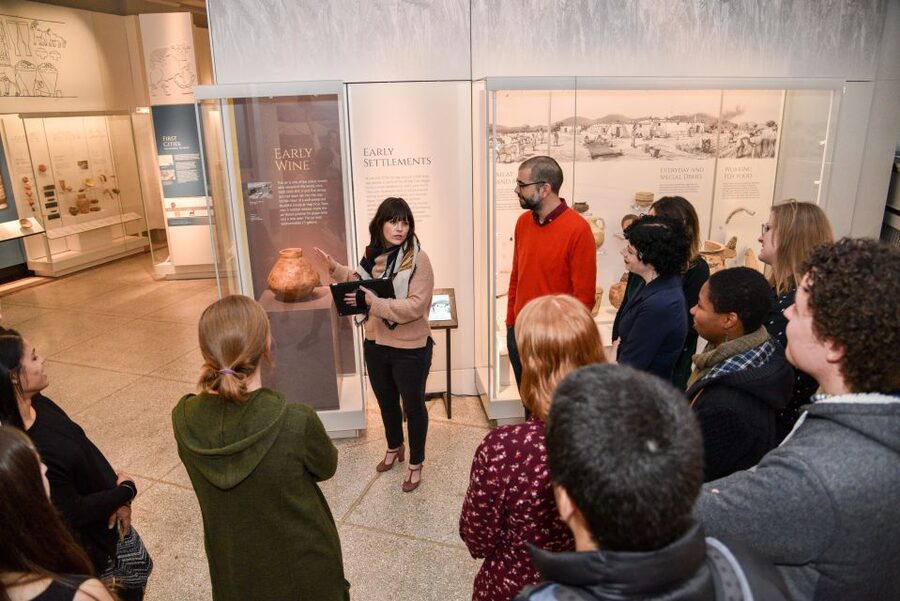
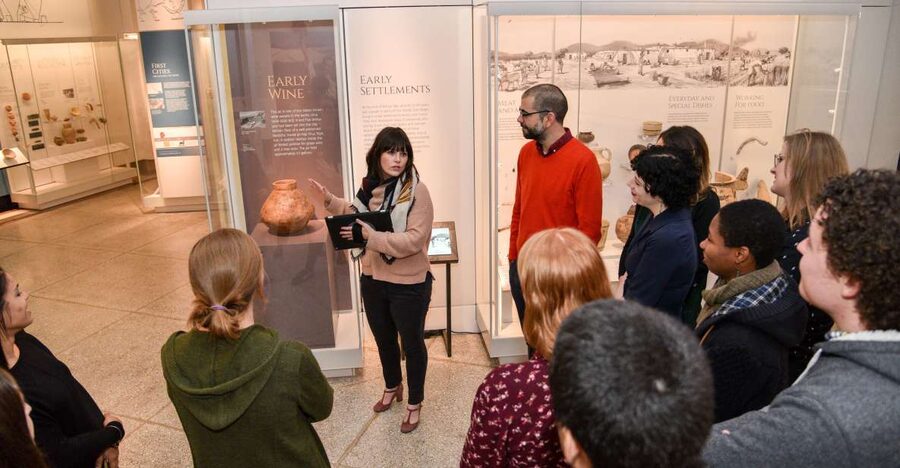
The opening section takes you into the earliest evidence of alcohol production and use. You are transported back to 5000 BCE, when fermented drinks already had a place in human life.
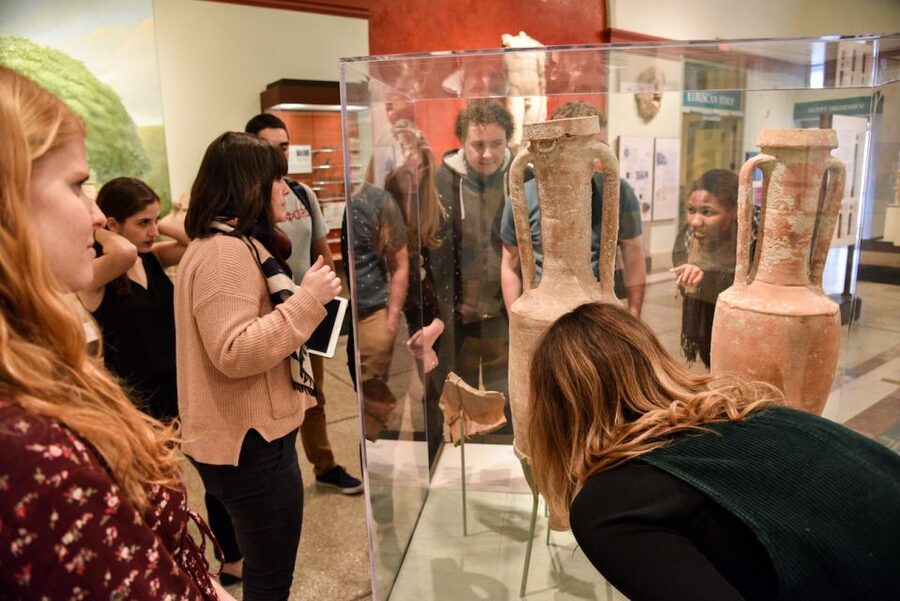
The vessels matter because they preserve more than shape and decoration. Their form can suggest how a drink was held, poured, or shared. Their residue can offer chemical clues about what once sat inside. You will not simply look at a cup and hear that it is old. You will learn why the object helps archaeologists reconstruct behavior.
One especially important object is described as one of the oldest wine jars in the world. The value here is not only its age. It gives the tour a clear physical link between early winemaking and the people who stored, served, or transported the drink.
Do not expect every object to produce a perfectly certain answer. Archaeological evidence often gives clues rather than a complete scene. That is part of the appeal. You see how researchers work from a vessel, trace, image, or inscription toward a careful interpretation.
Greek drinking games and the social side of alcohol
The Greek material shifts attention from storage to behavior. Early drinking vessels reveal secrets about ancient Greek drinking games, showing that alcohol could be tied to rules, competition, and group entertainment.
This is a useful reminder that drinking has long been a social activity. The vessel was part of the event. Its shape, decoration, and handling could influence how people drank and how they interacted with one another.
I would pay close attention here if you enjoy social history. The tour does not treat ancient Greeks as distant figures carved in stone. It asks what they did at a gathering and how drinking helped structure the occasion.
There is also a practical limit. The supplied details do not specify the exact games, the number of objects, or how long this section lasts. The experience gives you the theme and the evidence, but not a complete catalog of Greek drinking culture. That keeps the pace manageable, though anyone seeking a specialist lecture may want a longer museum visit afterward.
Same beer, poured another way:
- NYC: Empire State Building Tickets – Observatory & Museum
★ 4.7 · 25,757 reviews - All-Inclusive Pub Crawl with Moonshine, Cocktails, and Craft Beer
★ 4.5 · 975 reviews - Denver Craft Beer Tour in Lower Downtown
★ 5.0 · 673 reviews - Nashville Brewery & Distillery Tour by Golf Cart
★ 4.5 · 664 reviews
King Midas and a banquet preserved in evidence
One of the most distinctive stops concerns a libation served at a banquet thrown by King Midas. The story brings together power, hospitality, and drinking ritual.
A banquet is never just a meal. It can show who had authority, who was invited, and how a host presented wealth. In this case, the drink becomes a link to a specific royal setting. You get a sense of how archaeological analysis can connect an old vessel or residue to a famous ruler and a ceremonial gathering.
The tour’s wording identifies the drink as a libation, so expect attention to ritual use rather than only casual consumption. That distinction is important. Ancient alcohol could be poured for gods, guests, the dead, or the social order itself.
This section should appeal to anyone who likes a strong story anchored in an object. It also keeps the tour from becoming a simple timeline. You move from early fermented drinks to a named ruler and a particular type of banquet.
Egypt’s golden straw and beer for the afterlife
The Egyptian objects add another sharp contrast. You will examine a queen’s golden beer straw and hieroglyphs recording alcohol rations for the hereafter.
The straw is memorable because it turns an abstract discussion into a personal object. Gold signals status, but the basic act is familiar: someone needed a way to drink. That combination of luxury and everyday use makes the object easy to remember.
The hieroglyphs broaden the subject again. Alcohol was not only for the living. Written rations for the afterlife show how ancient Egyptians connected food and drink with preparation for death. A supply of beer could be part of the expected needs of the next world.
I like this portion because it shows how one theme can cross social levels. You see royal luxury in the straw and formal record keeping in the inscriptions. The tour does not present beer as a minor detail. It treats it as part of belief, status, and survival beyond death.
What biomolecular archaeology adds
The scientific heart of the experience comes from the work of a Penn Museum biomolecular archaeologist. Ancient vessels can act as time capsules, holding chemical traces from the liquids they once contained.
The researcher gathered fermented beverage samples from old vessels and used chemical analysis to identify clues. The work also helped revive some of these ancient beverage ideas. This does not mean you should expect a perfect ancient recipe in your glass. It means modern science can test material evidence and build a more grounded picture of what people drank.
That connection is valuable because it explains how the conclusions are reached. You are not asked to accept a dramatic story simply because an object looks old. Chemical traces can support or challenge an interpretation.
For me, this is the strongest reason to choose this experience over a standard museum talk. It joins artifacts with laboratory work. You see the object, hear about its use, and learn how researchers study the remains left inside it.
The beer tasting and what your $60 covers
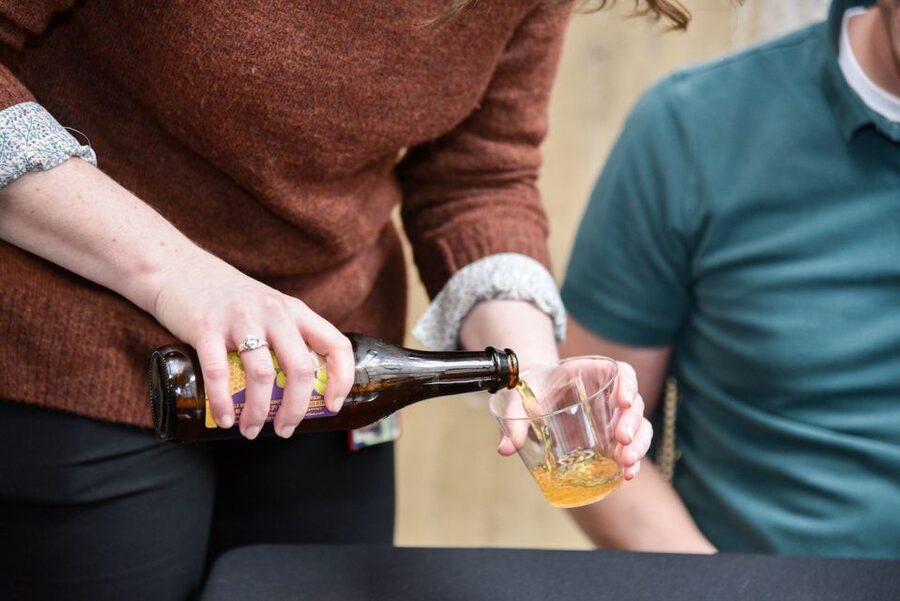
The price is $60 per person. That includes a professional guide, admission to the Penn Museum, and a voucher for a beer tasting.
The value depends on how much you want from the museum visit. If you are already planning to enter the Penn Museum and enjoy a guided subject tour, the package makes practical sense because admission is built in and the tasting adds a social finish. If you only want a quick drink, the museum material will be more than you need.
The tasting also gives the tour a clear ending. After ancient vessels, royal banquets, and chemical traces, you have a modern way to think about fermented drinks. The supplied details do not name the beer, state how many samples you receive, or describe the tasting venue, so do not book based on a particular brewery or flight.
I would treat the tasting as an added part of an archaeology experience, not as a beer class. The main value lies in the objects and research. The drink gives the subject a present-day connection.
Who should book this experience
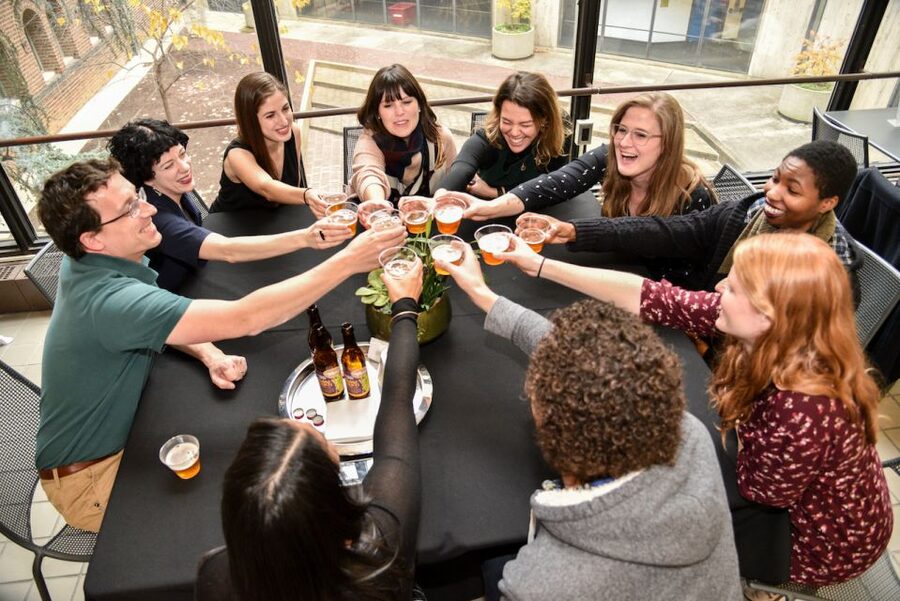
I recommend this tour for museum fans, history students, archaeology enthusiasts, and anyone who likes food and drink with a strong cultural angle. It is also a good pick if you want a focused activity rather than a full day of galleries.
You should be comfortable with a subject that mixes evidence and interpretation. Ancient alcohol is fascinating, but the tour will not answer every question about production, flavor, or modern brewing. Its purpose is to show how people used fermented drinks and how researchers recover that story.
Families and groups should check their own needs around alcohol and identification. You are asked to bring a passport or ID card. Comfortable shoes will help, and the route is wheelchair accessible.
The 1.5-hour length works well for a busy Philadelphia schedule. You can fit it into an afternoon without giving up an entire day. The tradeoff is that the short format leaves little time for unrelated museum exhibits.
Practical details for a smooth visit
Book with the afternoon timing in mind, since the experience is usually offered then. Meet at the main entrance by the Sphinx, and follow the route through Warden Garden, past the koi pond, to the doors.
Bring a passport or ID card, even though the provided information does not state when identification is checked. The tasting voucher is included, so keep track of it during the experience.
The tour is conducted in English. It is wheelchair accessible, and the entrance can be reached by ramp from South and 33rd Streets. You can cancel up to 24 hours in advance for a full refund, and the reserve-now, pay-later option lets you hold a place without paying at the time of booking.
Should you book the Ancient Alcohol Tour?
Book it if you want a compact, research-based Penn Museum experience that links ancient objects with the social life of drinking. The best reasons are the unusual artifacts, the King Midas connection, the Egyptian beer records, and the biomolecular archaeology behind the stories.
Skip it if you want a long general museum tour, a named beer lineup, or detailed modern brewing instruction. At $60, the experience makes the most sense when you value guided interpretation, museum admission, and the tasting together. For the right audience, it offers a smart way to see how a very old human habit can reveal politics, ritual, science, and daily life.
FAQ
Where does the Ancient Alcohol Tour meet?
Meet at the Penn Museum main entrance by the Sphinx.
How do I find the museum entrance?
The entrance is on South Street across from Franklin Field. Enter through the iron gate into Warden Garden, pass the koi pond, and continue to the main doors.
How long does the tour last?
The tour lasts 1.5 hours.
What language is the tour conducted in?
The live tour guide conducts the experience in English.
Is museum admission included?
Yes. The experience includes a Penn Museum admission ticket.
Is the beer tasting included?
Yes. A voucher for a beer tasting is included.
Is the experience wheelchair accessible?
Yes. The activity is wheelchair accessible, and the entrance can be reached by a ramp at South and 33rd Streets.
What should I bring?
Bring a passport or ID card and wear comfortable shoes.
Freshly tapped around the USA
- Private Custom Brewery Tour in a ’72 VW Bus – Roadies Local★ 5.0 · 13 reviews
- Viking Brewery Tour★ 5.0 · 23 reviews
- KaBrew: Traverse City’s Original Kayak Brewery Tour Experience★ 4.5 · 15 reviews
- NON BUS MOVIE STARS Traverse City Brewery And Distillery Tour★ 5.0 · 2 reviews
- Temecula’s Best Combo/Beer Tour★ 5.0 · 5 reviews
- Private Sidecar Brewery Tour through Temecula★ 4.0 · 7 reviews
- Tampa Heights Private Brewery Tour by Custom Golf Cart★ 5.0 · 11 reviews
- Ybor City Private Brewery Tour by Custom Golf Cart★ 5.0 · 14 reviews
Beer Tastings, compared.
Prague: Pilsner Urquell Experience & Beer Tasting
Read our review →
Cologne: Brewery Tour with 3 Kölsch Beer Tastings
Read our review →
Pilsen: Pilsner Urquell Brewery Tour with Beer Tasting
Read our review →
Prague: Staropramem Brewery Self-Guided Tour with Tasting
Read our review →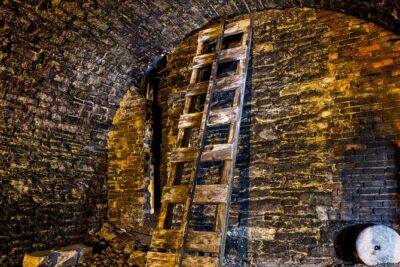
Hidden Brewery Caverns Tour in Cincinnati with Beer Tasting
Read our review →
Düsseldorf: Brewery Tour with Alt Beer Tastings
Read our review →

Bruges: Belgian Waffle-Making Workshop with Beer Tasting
Read our review →Browse the lists this tour appears in