
Review · TURKEY
Istanbul: World Teas & Turkish Tea Brewing, Tasting Workshop
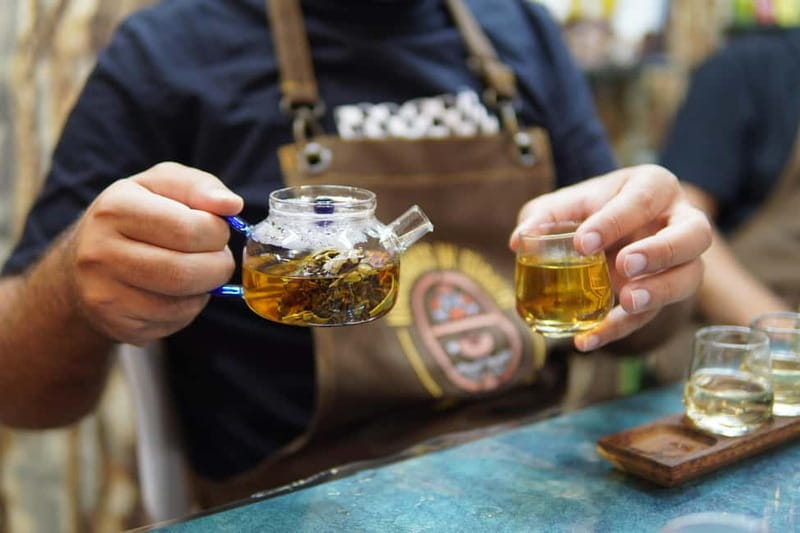
Istanbul’s tea culture comes into focus in this calm, hands-on workshop. You taste five teas from places such as China, India, Turkey, and South Africa, then brew them in the styles that suit them. I especially like the thin-waisted Turkish glasses and the chance to compare Turkish double-teapot brewing with Chinese gaiwan brewing.
I also like the small groups, limited to 10 people, and the final tea-blending session, which gives you something personal to take home. The main drawback is that 90 minutes passes quickly, and extra tea to take home costs more beyond the included gift.
Key points at a glance
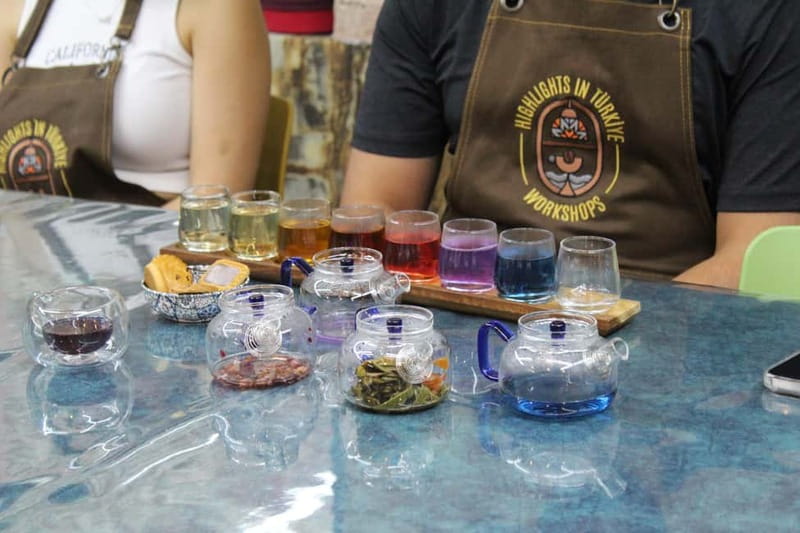
- Five teas, five brewing styles: Compare Chinese green, white, and oolong teas with Turkish black tea, English breakfast, rooibos, or herbal infusions.
- Turkish tea in authentic glasses: Learn why the narrow-waisted shape is used and how strong, reddish Turkish tea is prepared.
- A practical workshop: You do not simply watch. You taste, brew, compare water temperatures, and notice how timing changes flavor.
- A personal blend to take home: Build a tea mix suited to your own taste at the end of the session.
- Small and flexible: Groups are capped at 10, and solo bookings can still feel personal, with instructors such as Zeynep giving one-on-one attention when numbers are low.
- A useful location: The studio is between Galataport and Galata Tower, near Arada Beyrut Cafe and across from Lavander Cafe.
A tea workshop between Galataport and Galata Tower
This experience takes place in a spacious, high-ceiling atelier in Istanbul’s Marmara Region. The meeting point is diagonally to the right of Arada Beyrut Cafe and directly across from Lavander Cafe, so it helps to look for those businesses rather than rely only on the studio name.
The setting is part workshop, part creative studio. Tea is the focus, but other art forms may be taking place around you. That gives the room a less formal feel than a tasting bar. You are not seated in a grand historic salon, and this is not a guided walk through Istanbul. Instead, you spend 90 minutes at a table with brewing equipment, cups, teapots, tea leaves, and snacks.
I like this format for a rainy afternoon, a quiet break between sightseeing stops, or a first introduction to Turkish tea. The area also makes it easy to combine the activity with time around Galataport or Galata Tower. Plan your route carefully, though. The address is described by nearby cafes, and a little attention at the end of the walk will help you spot the studio.
More Beer Tastings in the world:
- Bruges: Guided Tour & Boat Ride with Optional Beer Tasting
★ 4.4 · 3,894 reviews - Prague: Pilsner Urquell Experience & Beer Tasting
★ 4.7 · 3,480 reviews - Cologne: Brewery Tour with 3 Kölsch Beer Tastings
★ 4.7 · 3,108 reviews
Five teas that show how varied tea can be
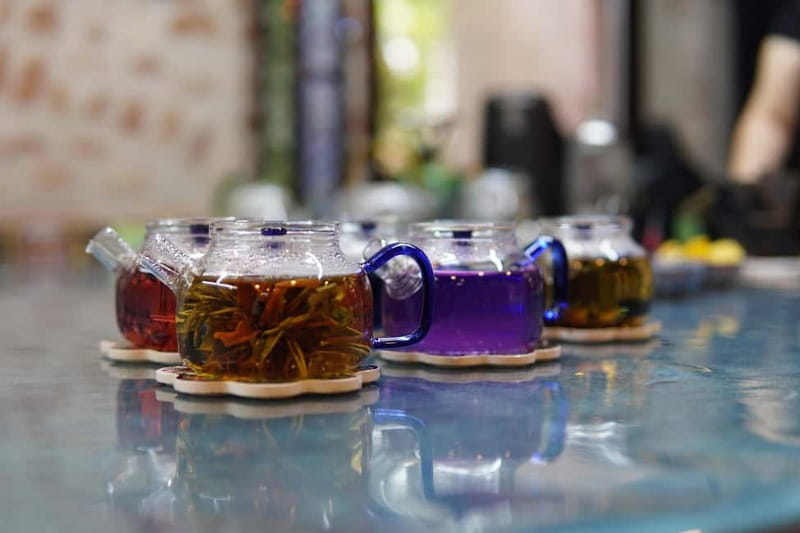
The tasting moves across several tea traditions rather than staying with Turkish black tea alone. The exact selection can include Chinese green tea, Chinese white tea, oolong, English breakfast, South African rooibos, and herbal infusions, along with the strong black tea associated with Turkey’s Black Sea region.
That range matters because it lets you compare more than flavor. You notice how leaf size, oxidation, water temperature, and steeping time affect the cup. A delicate Chinese white tea asks for a gentler approach than a full-bodied breakfast tea. Rooibos and tisanes also show that not every hot infusion is made from the same tea plant.
The tasting is unlimited during the session, so you can return to a cup and compare it again. This is useful if you are new to tea tasting and need time to separate aroma from taste. You might begin by calling a tea simply strong or light, then start noticing floral, grassy, roasted, fruity, or earthy notes.
The selection has also proved worthwhile for people who already know tea. One experienced tea drinker found the workshop changed her view of oolong, while another appreciated the choice of white tea, rooibos, and herbal drinks alongside more familiar black tea. You do not need a trained palate, but you should arrive ready to taste several styles rather than expecting a single traditional Turkish brew.
The Turkish double teapot and the thin-waisted glass
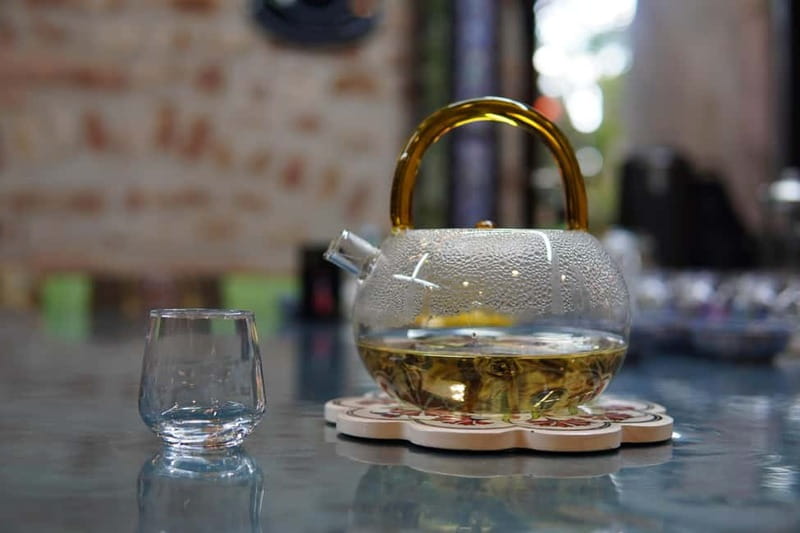
The most distinctly local part of the workshop is the Turkish tea demonstration. Turkish tea is commonly prepared with a double teapot, known as a çaydanlık. The lower pot heats water, while the upper pot holds a concentrated tea brew. You adjust the strength in the glass by adding more hot water or more concentrate.
This method gives you control over the final cup. A little concentrate creates a lighter tea, while more produces the deep reddish color often associated with strong Turkish tea. The workshop explains the idea behind rabbit blood tea, a Turkish expression for a clear, dark red brew made with care.
You drink it from the familiar narrow-waisted glasses. Their shape is not just decorative. The slim middle makes the glass easy to hold around the cooler center, while the open top lets the aroma rise. Because the glass is transparent, you can also see the color of the brew as you adjust its strength.
I like this part because it links an object on a Turkish cafe table to the method behind it. After the workshop, you will understand more about what you are ordering when you ask for çay. You also gain a simple skill you can repeat at home if you have access to two pots and good loose tea.
The glasses are small, so do not expect a large mug of tea. That is part of the Turkish custom, where tea is often served in repeated small portions. The workshop’s unlimited tastings make up for the small servings.
Brewing Chinese tea in a gaiwan
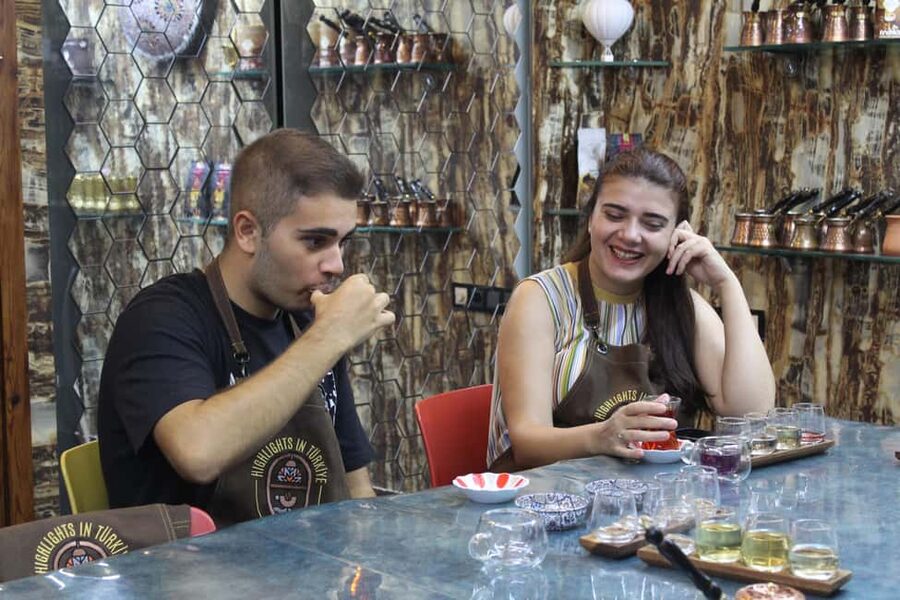
The Chinese brewing section uses a gaiwan, a lidded bowl with a saucer. This is a different rhythm from Turkish brewing. Instead of making one concentrated pot and diluting it, you work with measured leaves and short infusions, paying closer attention to temperature and timing.
The comparison between the two methods is one of the strongest reasons to book this activity. You are not just told that different teas need different treatment. You taste the result. A tea brewed too hot or left too long can become harsh, while the same leaves may taste softer and more aromatic with a gentler infusion.
The gaiwan also gives you a closer look at the leaves. You can see how they open, smell the wet leaves, and observe changes from one infusion to the next. It is a useful introduction if you have seen gaiwan brewing in tea shops but never felt comfortable trying it.
Instructors explain the equipment and guide you through the process. Sessions have been led by people including Zeynep, Abdullah, Kamran, Daryn, Ilham, Togrul, and Melek. The teaching style can vary by instructor, but the consistent strength is clear explanation paired with tasting rather than a long lecture.
English and Turkish are available. The activity information also notes Russian support in the workshop setting, though the listed instructor languages are English and Turkish, so confirm your language needs when booking.
More brewing workshops around the world:
- Bruges: Belgian Waffle-Making Workshop with Beer Tasting
★ 4.9 · 960 reviews - Brussels: Belgian Waffle Making Workshop with Beer Tasting
★ 4.9 · 308 reviews - Ghent: Belgian Waffle-Making Workshop with Beer Tasting
★ 4.8 · 256 reviews - Bruges: Belgian Chocolate Making Workshop with Beer Tasting
★ 4.9 · 203 reviews
Why the small group matters in 90 minutes
The group limit is 10 people. That is a good size for this type of activity because you need room to handle teapots, cups, leaves, and brewing tools. It also gives you a better chance to ask about a tea that catches your attention.
When attendance is very low, the session can feel almost private. One solo participant had an individual experience with Zeynep, who kept the session engaging for one person. That is useful to know if you are booking alone and worry about being placed in an awkward group activity.
The 90-minute duration is long enough for a proper introduction but not long enough for a slow, multi-course tea ceremony. You will taste several teas, learn two main brewing methods, enjoy snacks, and make a blend. You will not spend half an hour on every tea or receive a specialist-level lesson in tea production.
I see the short format as a strength for most visitors. Istanbul can fill a day quickly, and this workshop fits neatly into a sightseeing plan. If you already collect rare teas or want a technical class on water chemistry, you may find it introductory. For most people, the balance of explanation and practice is right.
Turkish delight, snacks, and a relaxed pace
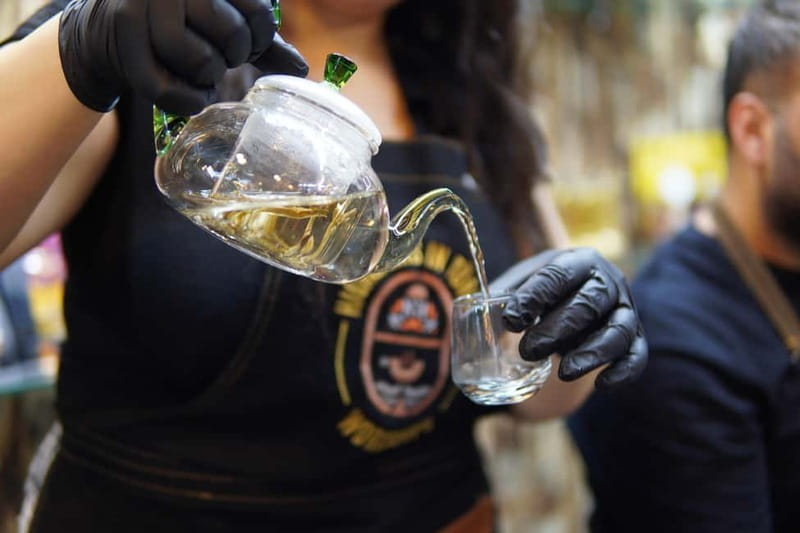
Tea comes with small treats, including Turkish delight and snacks. These are not presented as a full meal, so plan to eat beforehand if you need lunch or dinner. Their purpose is to refresh the palate and make the tasting feel social.
The room is described as calm, and the workshop’s pace supports conversation. Instructors explain tea traditions in relation to family life and local habits, not only preparation rules. Zeynep, for example, has discussed how tea is served in Turkish families, adding a personal connection to the broader cultural lesson.
That human side is important. You learn that Turkish tea is not simply a drink ordered in a cafe. It can mark hospitality, conversation, and time spent together. The workshop also connects Turkish practice with Chinese, Indian, English, and South African tea traditions, giving you a wider frame for what you taste in Istanbul.
Some sessions have included a short look at Turkish coffee made with the sand method when time allowed. Treat that as a possible extra rather than a guaranteed part of the scheduled workshop. The core activity is tea.
Making a custom tea blend to take home
The final hands-on step is creating your own tea blend. You choose ingredients according to the flavors you preferred during the tasting, then prepare a special mix to take home as a gift.
This is more useful than a generic souvenir because it links the object to your own preferences. If you preferred floral or light teas, you can build in that direction. If stronger black tea appealed to you, your blend can reflect that instead.
The included take-home gift is a clear part of the value. Do note one small cost issue: extra tea purchased to take home is not included and costs more. The included blend is enough to continue the experience at home, but plan to pay separately if you want full packages of particular teas from the workshop.
Is $33 a fair price?
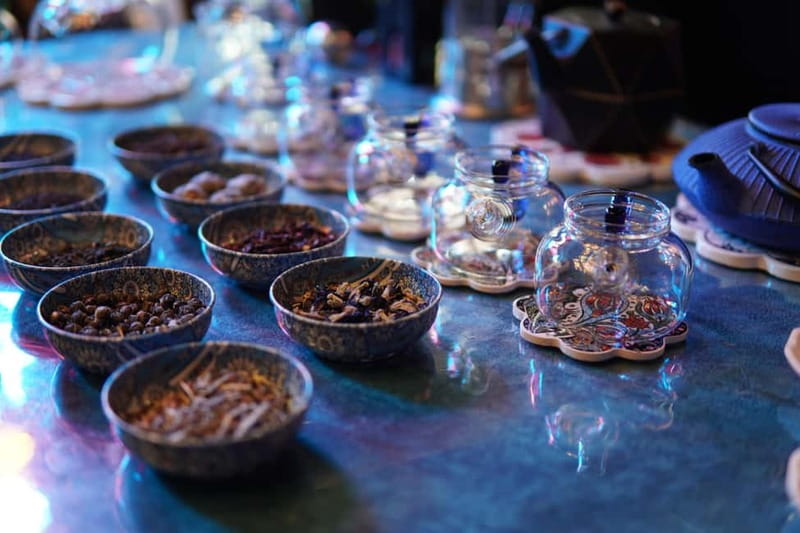
At $33 per person, this is not the cheapest way to drink Turkish tea in Istanbul. A cafe will give you a glass for a small fraction of the price. That comparison misses the point, though. Here you are paying for five premium teas, equipment, instruction, snacks, unlimited tasting during the session, a small group, and a take-home blend.
The value is strongest if you would otherwise book a guided food or drink activity. You get cultural context as well as the drinks, and you learn techniques you can repeat. The personal blend adds a modest souvenir without requiring you to buy a larger package of tea.
The value is weaker if you only want to sample Turkish black tea. You can do that cheaply in many cafes, and this workshop spends substantial time on Chinese teas, rooibos, tisanes, and international styles. It is best suited to people who want comparison and instruction, not just a quick local drink.
The free cancellation option up to 24 hours before the activity and the reserve-now, pay-later option also make it easier to fit into a changing Istanbul schedule. Starting times vary, so check availability before building the rest of your day.
Who will enjoy this most?
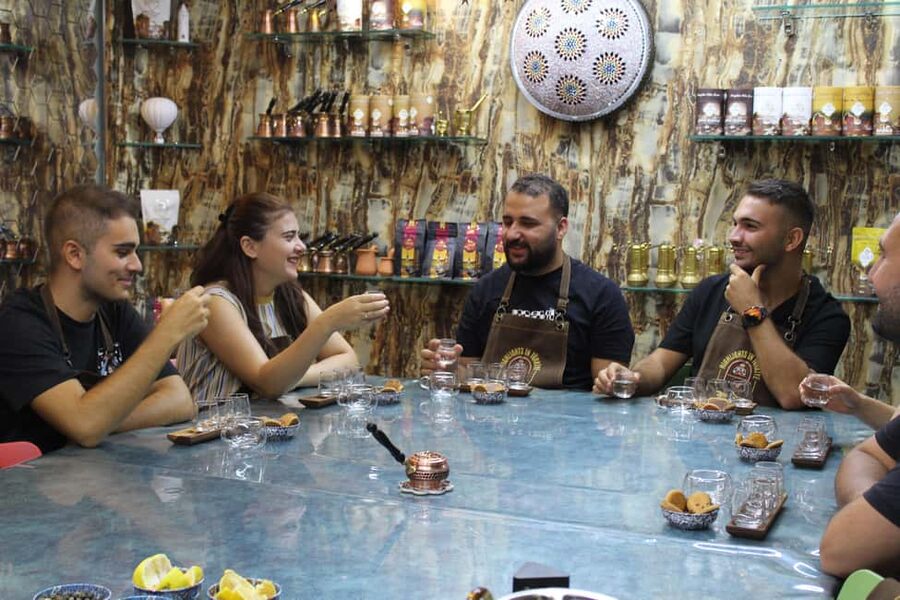
I would recommend this for tea drinkers, curious food lovers, solo visitors, couples, and anyone wanting a quiet indoor activity. It also works well for people who have visited Istanbul before and want something beyond the usual mosque, palace, and market circuit.
It is a good choice if you enjoy learning through your senses. You do not need to memorize tea terminology. You only need enough curiosity to compare cups and notice what changes when the same kind of leaf is brewed differently.
Families with older children may also find it engaging, though the activity details do not specify a minimum age. Ask before booking if age is important for your group.
I would skip it if your schedule is already packed and you dislike sitting through explanations. It is also not the right pick if you want a full Turkish coffee workshop, a meal, or a tour focused only on local tea. Coffee may appear briefly, but tea remains the purpose of the session.
Should you book the Istanbul tea workshop?
Book it if you want to understand Turkish tea beyond the glass on a cafe saucer. The double teapot, thin-waisted glasses, Chinese gaiwan, five-tea comparison, and personal blend give the 90 minutes a clear shape and plenty of variety.
The strongest reasons to go are the patient instruction, small groups, and chance to taste teas you may not order on your own. Instructors such as Zeynep and Abdullah have brought history, family customs, and even Turkish coffee into the conversation when time allowed.
Skip it if you are only looking for a cheap cup of çay or a full meal. For everyone else, $33 buys a practical cultural lesson, generous tasting time, and a small souvenir you can use at home.
FAQ
How long does the Istanbul tea workshop last?
The workshop lasts 90 minutes.
How many people can join the group?
The group is limited to 10 participants.
Which languages are available?
The listed instructor languages are English and Turkish. The workshop information also notes support in Russian.
What teas will I taste?
You taste five teas from around the world. Possible styles include Chinese green and white tea, oolong, Turkish black tea, English breakfast, South African rooibos, and herbal infusions.
Is tea and food included?
Yes. Tea tastings, the necessary brewing equipment, snacks, and Turkish delight are included.
Do I take tea home?
Yes. You create a personal tea blend to take home as a gift. Additional tea purchased beyond the included gift costs extra.
Freshly tapped around the world
- Zaanse Schans: Brewery HOOP Tour and Tasting★ 3.4 · 4 reviews
- Zurich Beer Tour – tasting tour with a local beer expert★ 5.0 · 3 reviews
- Wroclaw: Guided Tour & Beer Tasting (2 hours)★ 3.4 · 6 reviews
- Würzburg: Unique Brewery Tour with Beer Tasting★ 5.0 · 2 reviews
- Warstein: Warsteiner World Brewery Tour★ 4.6 · 3 reviews
- Warsaw: Guided Craft Beer Tour with a Friendly Guide★ 5.0 · 4 reviews
- DAILY Beer Tasting Private Guided Tour at Best Warsaw Pubs★ 3.9 · 8 reviews
- Waiheke Island: HEKE Distillery & Brewery Tour with Tastings★ 5.0 · 2 reviews
Beer Tastings, compared.

Prague: Pilsner Urquell Experience & Beer Tasting
Read our review →
Cologne: Brewery Tour with 3 Kölsch Beer Tastings
Read our review →
Pilsen: Pilsner Urquell Brewery Tour with Beer Tasting
Read our review →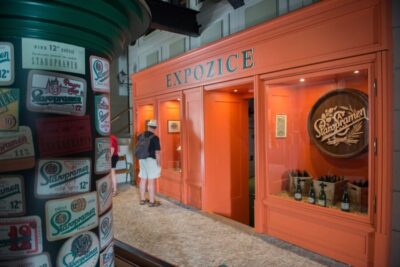
Prague: Staropramem Brewery Self-Guided Tour with Tasting
Read our review →
Hidden Brewery Caverns Tour in Cincinnati with Beer Tasting
Read our review →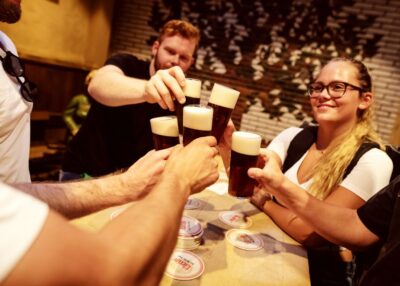
Düsseldorf: Brewery Tour with Alt Beer Tastings
Read our review →

Bruges: Belgian Waffle-Making Workshop with Beer Tasting
Read our review →Browse the lists this tour appears in