
Review · JAPAN
Kanazawa Historic Brewery: Fermentation Tour, Tasting, Lunch
Kanazawa’s koji culture gets a friendly, hands-on introduction at Yamato Soy Sauce & Miso, a brewery founded in 1911. You’ll see the old red-brick boiler, chimney, and wooden storehouses, then learn how one humble mold helps make miso, soy sauce, amazake, and sake. I like the clear, good-humored teaching from Yukiko and fourth-generation owner Yamamoto, plus the generous lunch that turns the lesson into something you can taste.
I also like making miso soup with two differently aged pastes, then sampling two fruit-flavored doburoku drinks. The main drawback is location: the site is about 30 minutes by bus from Kanazawa Station, and the tour does not enter the working factory where miso and soy sauce are produced.
Key points at a glance
- Koji explained simply: Learn how this fermentation starter helps create familiar Japanese foods and drinks.
- A real tasting lesson: Compare miso aged for six to 12 months and notice how the flavor changes.
- A full lunch, not a snack: The default meal is a koji beef steak course with several fermented ingredients.
- Two doburoku samples: Taste yuzu and black currant versions of this cloudy fermented rice drink.
- A small, personal group: The tour is limited to eight people and offered in English or Japanese.
- A historic port-side setting: Explore Oonomachi, a former center of soy sauce production, with views toward Kanazawa Port and distant mountains.
Why this Kanazawa brewery tour is different
Kanazawa is famous for its gardens, samurai districts, tea culture, and excellent food. This outing shows another side of the city: the working food traditions that have shaped everyday Japanese cooking for generations.
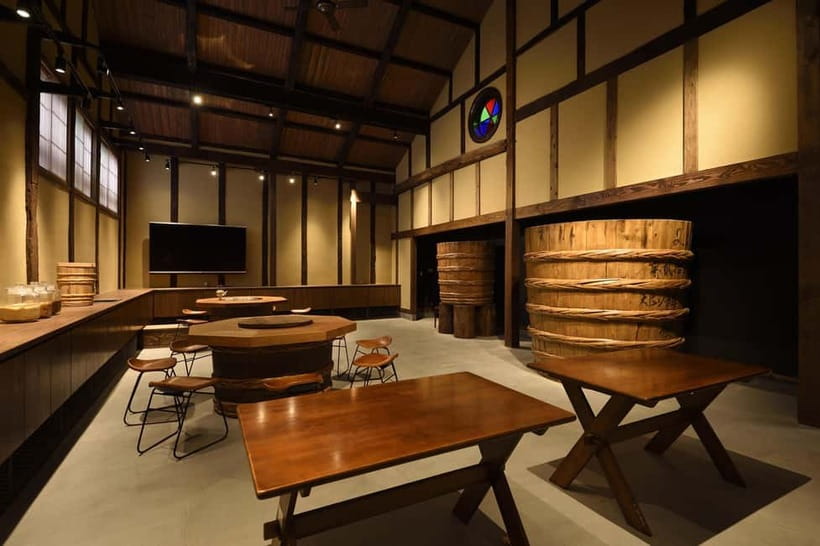
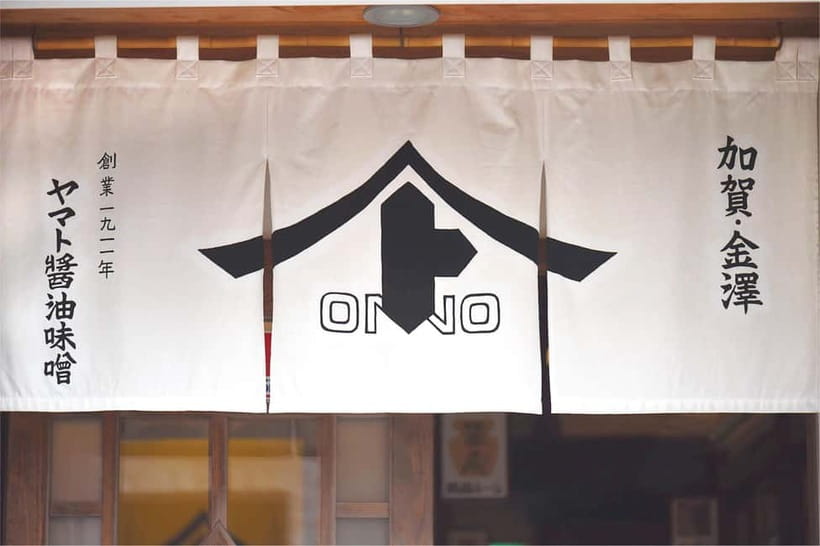
Yamato Soy Sauce & Miso began in 1911 in Oonomachi, a port district known since the Edo period as one of Japan’s leading soy sauce-making areas. The company’s Koji Park facility uses old brewery buildings, product rooms, and outdoor spaces to explain that tradition to visitors.
The focus is not on a quick factory photo stop. You spend time learning what koji is, how fermentation works, and why foods such as miso and soy sauce taste different as they age. The lesson is pitched for curious beginners, so you do not need a background in food science.
The small group matters. With no more than eight people, you have a better chance to ask questions and follow the tasting closely. Yukiko has been praised for her warm English presentation, and Yamamoto, the fourth-generation owner, sometimes joins the experience. Their personal connection to the brewery gives the visit a family feel rather than a standard commercial tour.
More Brewery Tours with Lunch or Dinner in the world:
- Prague: 3-Hour Beer Tour and Traditional Czech Dinner
★ 4.5 · 599 reviews - Margaret River Wine, Brewery & Distillery Tour with Lunch
★ 4.5 · 488 reviews - Margaret River Winery, Brewery Tour with Gourmet Lunch.
★ 5.0 · 401 reviews
Reaching Koji Park from Kanazawa Station
The meeting point is Hishiho-Gura, the product showroom at Yamato Koji Park, 4-I-170 Oonomachi, Kanazawa, Ishikawa 920-0331.
By public bus, walk about three minutes from the west exit of Kanazawa Station to the Nakabashi bus stop, located under the Nakabashi overpass. Take Hokutetsu Bus Line 61 toward Ono. The ride takes about 30 minutes, and Ono is the final stop. From there, allow another three to eight minutes on foot toward Minato Bridge.
The return trip uses Line 34 toward Takao or Kanazawa Institute of Technology. Get off at Nakabashi for the station. Check the current Hokutetsu timetable before you go, since bus schedules can change.
A taxi is worth considering if you have limited time, heavy luggage, or a tight train connection. The bus route is manageable, but the destination is not in central Kanazawa, and the extra planning is part of the cost in time.
The activity lasts 150 minutes, usually from noon to 2:30 p.m. Closed days are Tuesday and Wednesday, along with the New Year holiday period. Since doburoku is included, the experience is for people aged 20 and older.
Walking through a 1911 brewery complex
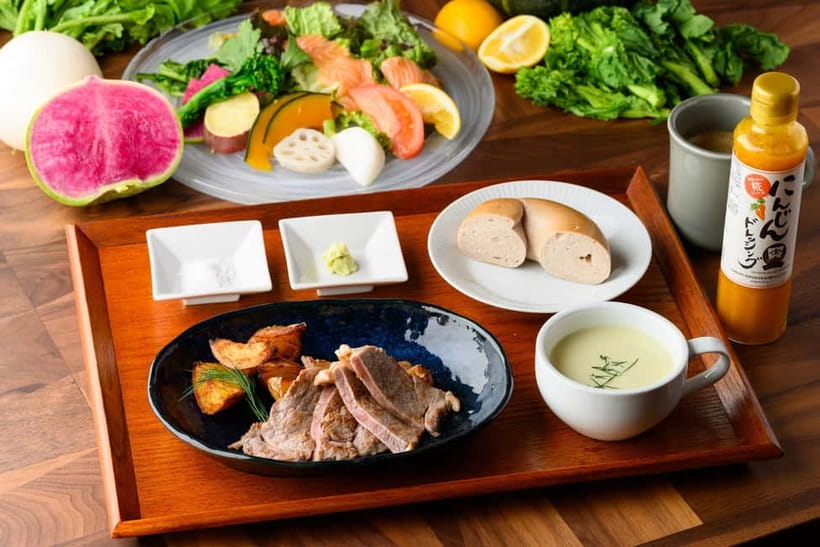
The tour begins with Koji Park and a guided talk. The site itself gives you useful context before the tasting starts.
Look for the red-brick boiler, the tall chimney, and the traditional wooden storehouses. Some of these buildings now serve as production spaces, shops, or visitor areas. Their worn surfaces and practical design help you picture the scale and age of the operation better than a modern museum display would.
The setting also adds to the visit. Koji Park is near Kanazawa Port, with distant views toward the Hakusan and Tateyama mountain ranges when conditions are clear. The outdoor portion may be shortened or skipped in poor weather, so do not count on every exterior view in winter or during rain.
One important clarification: this is a tour of the exterior and history of the factory, not a walk through the rooms where miso and soy sauce are actively made. If seeing production machinery and workers is your top priority, this may feel limited. The company provides video material showing production scenes, but the live tour centers on explanation, historic buildings, and tasting.
Understanding koji without a science lecture
Koji is the heart of the visit. It is a mold-grown culture used to break down rice, soybeans, and other grains, making fermentation possible. That process produces the savory, sweet, and complex flavors found in miso, soy sauce, amazake, and some Japanese alcoholic drinks.
The Koji Talk covers three basic themes: what koji is, the secret of fermentation, and the connection between fermented foods and intestinal health. The presentation is designed to be entertaining as well as useful. You will see why a small change in aging time or ingredients can affect taste.
I find this part most valuable for anyone who eats Japanese food but has never thought about how it is made. After the talk, soy sauce, miso soup, sake, and amazake become less mysterious. You can also make better shopping choices because you understand what you are tasting.
Keep expectations sensible about health claims. The program presents fermented foods as part of a healthy diet and discusses gut health, but it is still a food and cultural tour, not a medical consultation.
More Beer Tastings in the world:
- Bruges: Guided Tour & Boat Ride with Optional Beer Tasting
★ 4.4 · 3,894 reviews - Prague: Pilsner Urquell Experience & Beer Tasting
★ 4.7 · 3,480 reviews - Cologne: Brewery Tour with 3 Kölsch Beer Tastings
★ 4.7 · 3,108 reviews - Pilsen: Pilsner Urquell Brewery Tour with Beer Tasting
★ 4.7 · 2,419 reviews
Making miso soup with two aged pastes
Next comes a simple but effective activity: making and tasting miso soup.
You use two types of miso, aged for six to 12 months, and compare them in soup. The difference is the point. A younger miso may taste lighter and fresher, while a longer-aged paste can bring a fuller, deeper flavor. The exact impression depends on your palate, but tasting side by side makes the contrast easy to notice.
Ingredients and utensils are included, so you do not need to bring anything. This is not a long cooking class with complicated preparation. It is a focused way to understand how miso changes with time and how a small adjustment can alter a familiar dish.
The hands-on format works well after the talk. Instead of simply hearing that aging affects flavor, you test it yourself. If you enjoy cooking at home, the session may give you ideas for using different misos in soups, sauces, and marinades.
A koji-centered lunch at 1 p.m.
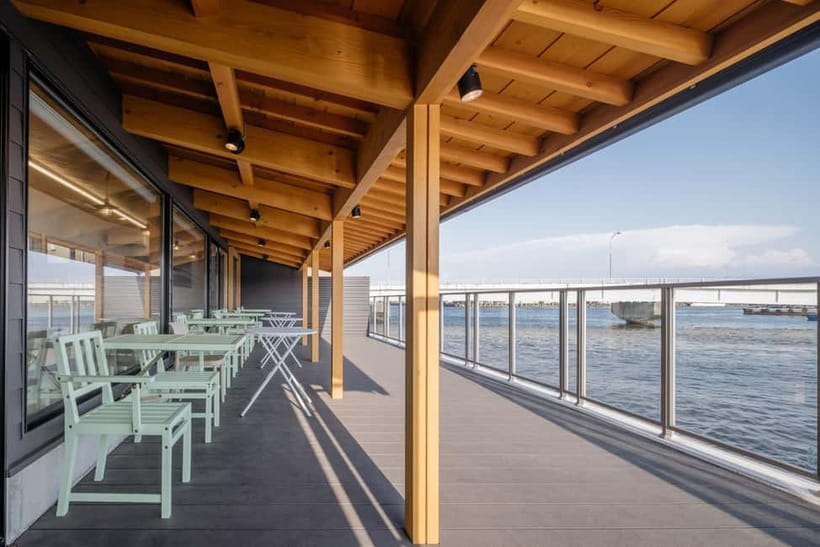
The lunch is one of the strongest reasons to book this activity. The standard option is a koji beef steak lunch course, and the meal is generous rather than symbolic.
Fermented ingredients appear across the course. Previous meals have included salad, soup, steak, and even a bagel, with products such as koji salt and amazake used in the dishes. The exact menu can change, but the purpose remains the same: show how fermentation can shape a complete meal, not just a condiment.
This is where the tour’s food lesson becomes practical. You can compare the savory depth of fermented seasoning with the plain idea of salt alone. You can also notice how koji-based ingredients can bring sweetness, softness, or extra savor to a dish without dominating it.
The lunch is served from 1 to 2 p.m., after the first hour of touring and soup making. Plan to arrive hungry. It is more substantial than the usual brewery tasting plate, and its generous size helps justify the $77 price.
If you have dietary restrictions, email the company after booking. The standard meal is beef, so you should not assume that a vegetarian, vegan, allergy-friendly, or other alternative will be available without advance notice.
Tasting yuzu and black currant doburoku
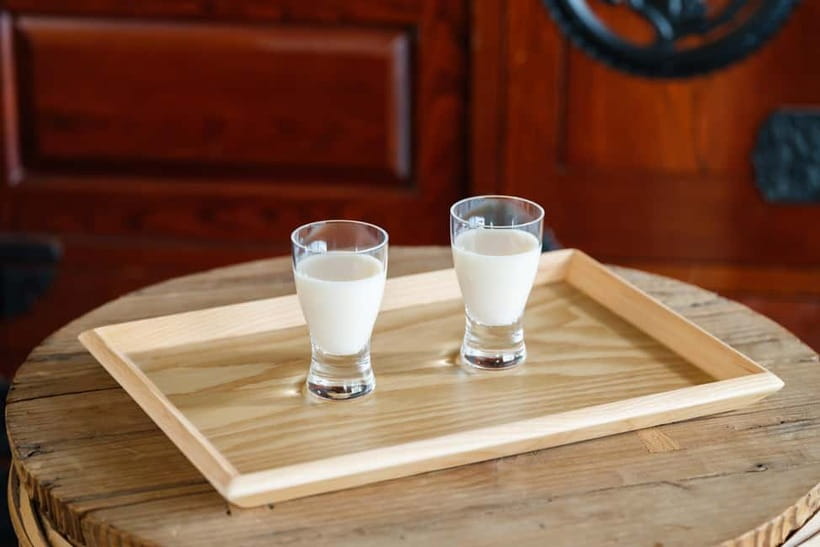
The final scheduled portion is a tasting of two doburoku drinks, from 2 to 2:30 p.m.
Doburoku is a cloudy fermented rice beverage made with koji, yeast, and lactic acid bacteria. It is less polished and filtered than many familiar sake styles, which gives it a thick, cloudy appearance and a more rustic identity. Here, you taste two approachable craft versions: yuzu and black currant.
The fruit flavors make the drinks easier for beginners. Yuzu brings a Japanese citrus note, while black currant gives the second sample a darker fruit character. You are not simply drinking sake at the end of lunch. You are connecting the beverage to the same fermentation ideas introduced earlier.
The tasting is enough to create a gentle buzz, so keep that in mind if you plan to drive. The activity is not suitable for anyone under 20, and the drink portion makes that restriction especially important.
Shopping at Hishiho-Gura after the tour
You can continue browsing at the Koji Park facility after the formal program ends. The product showroom sells items connected with the tour, including fermented foods, sauces, drinks, and other products.
This is a useful time to buy something once you know what you like. You may want a miso that matches the flavor from the soup tasting, koji seasoning for home cooking, or a bottle of amazake or sake. The product range also includes beauty items such as hand cream, which gives the shopping area a wider appeal than a simple food shelf.
Leave room in your day for the sweets. The site is known for cheesecake, pudding, and soy sauce ice cream. The ice cream is the playful choice, especially if you want to test how a savory soy sauce note works in a dessert. Cheesecake and pudding offer an easier finish if you prefer familiar flavors.
The shop can be visited before or after the scheduled activity. If you arrive early, it gives you a place to get oriented. If you stay afterward, you can browse without cutting into the timed tour.
Is $77 a fair price?
At $77 per person, this is not the cheapest food activity in Kanazawa. Its value comes from the amount packed into two and a half hours: a guided cultural tour, a fermentation lesson, a hands-on soup activity, a full lunch, and two alcoholic tastings.
The lunch is the key factor. If the program included only a short talk and a few samples, the price would feel high. The substantial meal, personal instruction, and small group make the cost easier to accept.
You are also paying for access to a private historic brewery site outside the main sightseeing center. The setting and family connection add something that a supermarket tasting or central cooking class cannot provide.
Still, this will not suit every budget. If you want a low-cost introduction to Japanese food, a market visit may be enough. If you dislike fermented flavors, do not expect the tour to hide them. Miso, soy sauce, koji, and doburoku are the main event.
Who will enjoy this experience most?
I would choose this tour for you if you like food origins, small producers, Japanese history, or hands-on tastings. It is especially good for curious cooks who want to understand ingredients they can later use at home.
It also works well as a change from Kanazawa’s temples, gardens, and traditional neighborhoods. The port-side setting and old brewery buildings show a working food tradition that is easy to miss when you stay in the city center.
English speakers should feel comfortable. The tour is offered in English and Japanese, and Yukiko and Yamamoto have been praised for clear, warm presentations. The small group, limited to eight, should make it easier to follow the talk and ask questions.
You may want to skip it if you need a central location, cannot manage the bus journey, avoid alcohol, or expect to enter the active production rooms. Weather can also affect the outdoor section.
Should you book the Yamato Koji Park tour?
Book it if you want a food-focused Kanazawa outing with real context, not just a string of samples. The best parts are the side-by-side miso tasting, the hearty koji-based lunch, the personal welcome, and the chance to see an old brewery complex near the port.
Before booking, check your transport plan and tell the company about dietary restrictions. If you are happy with a 30-minute bus ride and understand that the factory tour stays outside the active production areas, this is a thoughtful and unusually local way to spend an afternoon.
FAQ
How long does the Kanazawa brewery tour last?
The activity lasts 150 minutes, from the Koji Park tour through the miso soup activity, lunch, and doburoku tasting.
Where does the tour meet?
Meet at Hishiho-Gura, the product showroom at Yamato Koji Park, 4-I-170 Oonomachi, Kanazawa, Ishikawa 920-0331, Japan.
How do I reach Yamato Koji Park from Kanazawa Station?
Walk about three minutes from the west exit to the Nakabashi bus stop. Take Hokutetsu Bus Line 61 toward Ono, get off at the final Ono stop, and walk three to eight minutes toward Minato Bridge.
Is the tour offered in English?
Yes. The live tour guide service is available in English and Japanese.
What food and drinks are included?
The activity includes miso soup making and tasting, a fermented-food lunch, and two doburoku tastings. The standard lunch is a koji beef steak course.
Can I join if I have dietary restrictions?
You should email the company after booking if you have dietary restrictions. The standard lunch includes beef, and alternatives should be arranged in advance.
Does the tour enter the working miso and soy sauce factory?
No. The tour covers the exterior of the factory and its history. It does not enter the rooms where miso and soy sauce are actively produced.
Can people under 20 join?
No. The experience is not suitable for people under 20, partly because doburoku tasting is included.
More brewing history tours around the world
- Berlin Craft Beer & Cultural Tour With Snack
★ 5.0 · 343 reviews - Edinburgh: Pubs & History Walking Tour with Beer Tasting
★ 5.0 · 266 reviews - Best of Bruges: History, Chocolate & Beer Tour
★ 5.0 · 256 reviews - Edinburgh: Pubs and History Guided Walking Tour with Beer
★ 4.8 · 254 reviews
Freshly tapped around the world
- Zaanse Schans: Brewery HOOP Tour and Tasting★ 3.4 · 4 reviews
- Zurich Beer Tour – tasting tour with a local beer expert★ 5.0 · 3 reviews
- Wroclaw: Guided Tour & Beer Tasting (2 hours)★ 3.4 · 6 reviews
- Würzburg: Unique Brewery Tour with Beer Tasting★ 5.0 · 2 reviews
- Warsaw: Guided Craft Beer Tour with a Friendly Guide★ 5.0 · 4 reviews
- Warstein: Warsteiner World Brewery Tour★ 4.6 · 3 reviews
- DAILY Beer Tasting Private Guided Tour at Best Warsaw Pubs★ 3.9 · 8 reviews
- Waiheke Island: HEKE Distillery & Brewery Tour with Tastings★ 5.0 · 2 reviews
Brewery Tours with Lunch or Dinner, compared.

Prague: 3-Hour Beer Tour and Traditional Czech Dinner
Read our review →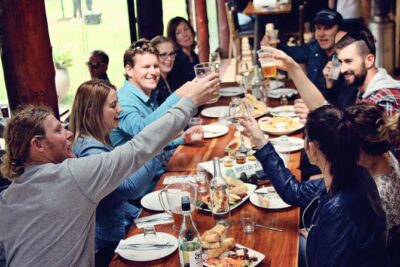
Margaret River Wine, Brewery & Distillery Tour with Lunch
Read our review →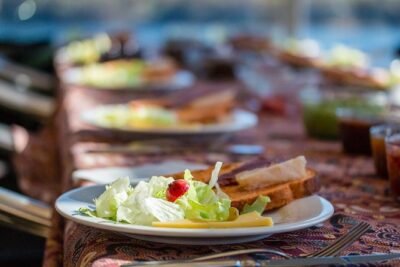
Margaret River Winery, Brewery Tour with Gourmet Lunch.
Read our review →
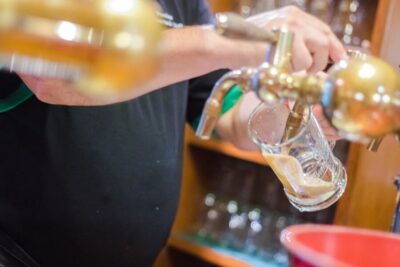
Byron Bay Brewery & Distillery Tour: Tastings, Lunch & transfers
Read our review →
Petropolis The Imperial City with Beer tour and Lunch
Read our review →
Browse the lists this tour appears in