
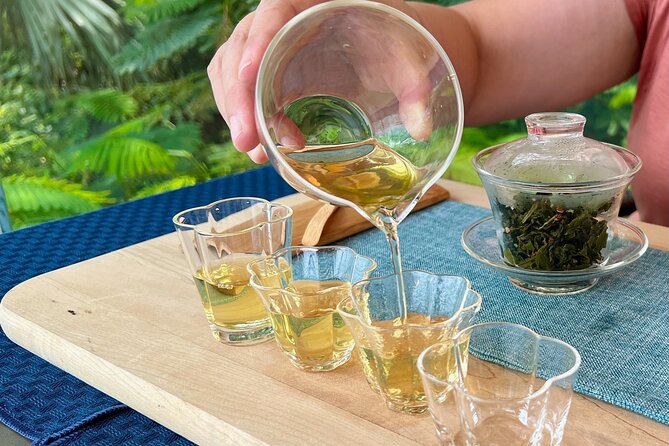
Review · CHINA
Tea Tasting & Brewing Experience
The best part of this Hong Kong experience is the hands-on work. You do not simply drink a few cups and hear a lecture. You learn how tea is made, how its aromas and flavors differ, and how to brew it yourself with a gaiwan. Cecilia leads the session with a friendly, enthusiastic approach that keeps the subject approachable.
I like the small maximum of six people, which gives the session a personal feel. I also like the mix of tasting and practice: you can compare teas, then change brewing details and see what happens in your own cup. The main consideration is the price, $55.11 per person, for only about 90 minutes. It offers good value for tea lovers, but casual drinkers may find it more specialized than necessary.
Key points at a glance
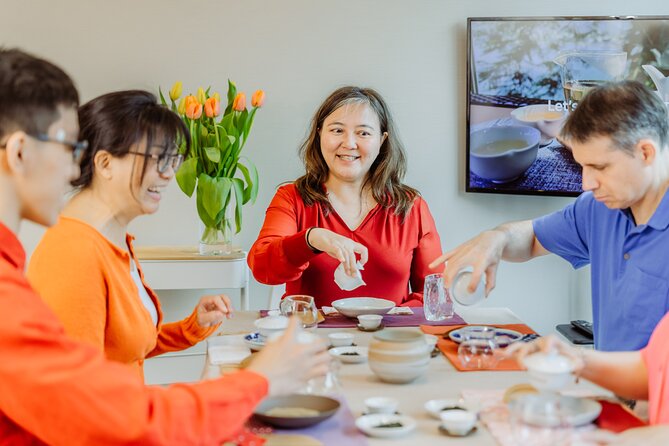
- Six tea categories explained: Learn what separates the main types of tea and how processing affects the final drink.
- Gaiwan brewing practice: Brew your own tea and test the elements that shape flavor.
- Professional tasting skills: Study aroma, taste, and the qualities tea tasters look for.
- Small groups of six: The limited size should make it easier to ask questions and get hands-on attention.
- Seasonal premium teas and snacks: Sample several teas alongside complimentary food pairings.
- Central Wan Chai meeting point: Begin and finish at 382 Lockhart Road, near public transportation.
Starting at 382 Lockhart Road in Wan Chai
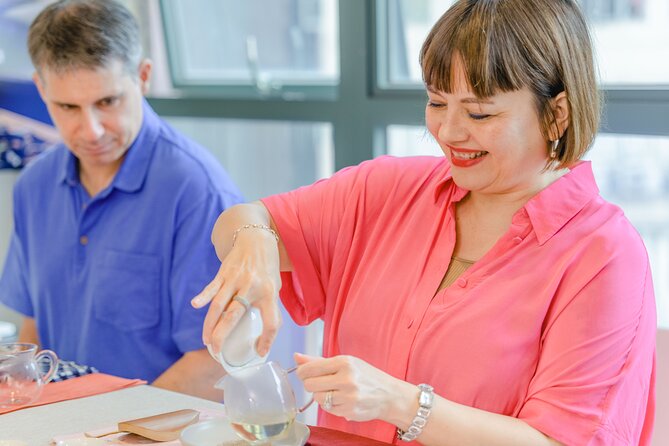
You meet at 382 Lockhart Road in Wan Chai, Hong Kong. The experience begins and ends at the same location, which keeps the logistics simple. You do not need to arrange a second pickup point or find your way across town after the tasting.
The meeting point is near public transportation, useful in a city where a short distance can still involve several streets, crossings, and busy stations. I would allow a little extra time to find the exact address, especially if you are not familiar with Wan Chai.
The session lasts about 1 hour and 30 minutes. That is long enough to cover the basics properly without turning tea into an all-day course. You should expect a focused class rather than a general Hong Kong sightseeing activity. The neighborhood is part of the setting, but the tea table is the real destination.
The group maximum is six people. This is an important detail. Tea tasting works best when you can smell, sip, compare, and ask questions without waiting behind a large crowd. A small group also makes the brewing practice more useful because you have a better chance to watch the technique closely and receive direct guidance.
More Beer Tastings in the world:
- Bruges: Guided Tour & Boat Ride with Optional Beer Tasting
★ 4.4 · 3,894 reviews - Prague: Pilsner Urquell Experience & Beer Tasting
★ 4.7 · 3,480 reviews - Cologne: Brewery Tour with 3 Kölsch Beer Tastings
★ 4.7 · 3,108 reviews
Learning how the six tea categories differ
The first part of the session introduces the six categories of tea. The value here is not memorizing labels for their own sake. You begin to see that tea is not one single flavor, and that processing plays a major role in what ends up in your cup.
You will learn what makes each category distinct, then taste examples that show those differences. Aroma, flavor, and preparation all become part of the lesson. One cup may seem light and delicate, while another has a stronger or more developed character. The point is to give you a vocabulary for noticing those changes.
The class also covers facts and myths about tea. That makes the session useful for beginners who may have picked up conflicting ideas about tea quality, brewing, or health. Rather than treating tea as a set of rules, the experience gives you a way to ask better questions about what you are drinking.
I like this structure because it puts the tasting in context. You are not just told that two teas differ. You are shown what to notice and given a reason for the difference. That can change how you shop for tea later, even if you never become a serious enthusiast.
Training your nose and palate
Tea tasting begins with attention. You will explore the aromas and flavors in several teas and practice describing what you notice. You do not need a trained palate to take part. The session is designed to help you develop one.
A professional tea taster looks at more than simple likes and dislikes. Aroma, flavor, balance, and the way the tea changes during tasting all matter. The experience gives you a glimpse of that process, so you can move beyond saying a tea tastes good or bad.
This is one of the strongest reasons to book the class. A regular cup of tea is easy to rush. Here, you slow down and compare. You learn to notice small differences that might otherwise disappear.
The reviews describe Cecilia as friendly, passionate, and clear in her teaching. That matters in a tasting class. A stiff or overly technical presentation could make the subject feel like homework, but the tone here is meant to stay fun and engaging. One session was so absorbing that the participants did not notice the time passing.
Still, your enjoyment will depend partly on your interest in sensory detail. If you prefer a fast introduction with one or two cups, the amount of comparison may feel like a lot. If you enjoy food tastings, coffee, wine, or learning how experts evaluate everyday products, the format should suit you well.
Brewing tea with a gaiwan
The hands-on brewing section is the practical heart of the experience. You use a gaiwan, a traditional lidded bowl used for brewing and serving tea. The goal is not just to copy a fixed recipe. You experiment with the key elements that affect the finished cup.
The experience focuses on what makes a good brew. That can include the way the tea is handled and prepared, along with the brewing process itself. You get to see how small changes can alter aroma and flavor.
This is especially useful because many people blame the tea when the real problem is preparation. A tea can taste flat, harsh, weak, or overly strong depending on how it is brewed. By making your own cup, you gain a clearer sense of cause and effect.
The gaiwan also gives the session a hands-on connection to tea culture. You are not simply watching a demonstration from a distance. You take part in the process, handle the brewing vessel, and taste the result.
A little patience helps here. The group is small, but the activity still has a shared class format. You may not get unlimited time to repeat every technique. Pay attention to the demonstration, ask questions as they arise, and use your own brew as a chance to test what you have learned.
More brewery tours worth booking around the world:
- Pilsen: Pilsner Urquell Brewery Tour with Beer Tasting
★ 4.7 · 2,419 reviews - Prague: Staropramem Brewery Self-Guided Tour with Tasting
★ 3.7 · 2,106 reviews - Tennent’s Brewery Tours Ticket
★ 5.0 · 1,938 reviews - Hidden Brewery Caverns Tour in Cincinnati with Beer Tasting
★ 5.0 · 1,758 reviews
Sampling premium seasonal teas with snacks
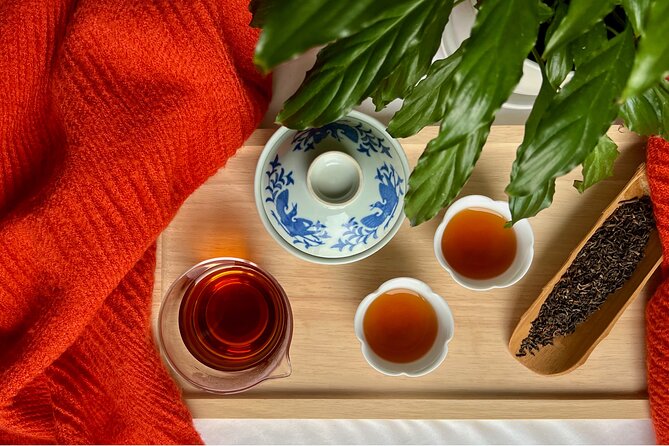
The tasting includes a selection of premium teas chosen for the season, served with complimentary snacks. The exact teas are not specified in advance, so you should expect the lineup to vary rather than arrive with a fixed menu.
Seasonal selection can be a strength. It lets the class focus on teas that are suited to the time of year and gives you a changing experience rather than a permanent set of samples. It also means you should not book expecting one particular tea unless the provider confirms it separately.
The snacks add another useful layer. Food can change how you perceive tea, and a small bite gives you a chance to compare the drink on its own and alongside something to eat. This is not presented as a full meal, so arrive with realistic expectations. The snacks are part of the tasting, not a replacement for lunch or dinner.
The emphasis is on quality and comparison rather than quantity. You are paying for instruction, guided tasting, and brewing practice, not for a large volume of tea. That distinction is important when judging the price.
Is $55.11 good value?
At $55.11 per person, this is not the cheapest way to have tea in Hong Kong. You could buy a drink for far less. The value comes from the instruction and the chance to learn a skill, not from the amount of beverage served.
For a tea lover, the price is reasonable if you want more than a casual cup. In 90 minutes, you learn about six tea categories, taste premium seasonal selections, practice sensory evaluation, brew with a gaiwan, and receive snacks. A small group also gives the session a more personal structure than a large public demonstration.
For someone who is merely looking for a short refreshment break, the price may feel high. You are paying for a class. The experience makes the most sense if you are willing to listen, compare, ask questions, and take part in the brewing.
The booking pattern also suggests planning ahead. The experience is booked around 11 days in advance on average, and the group limit is only six people. If your Hong Kong schedule is tight, I would not leave it until the last day.
Who will enjoy this session most?
This experience suits tea lovers, curious beginners, and anyone interested in how everyday drinks are made and judged. You do not need previous tea knowledge. The class begins with basic categories and moves toward tasting and brewing, so a newcomer can follow along.
It is also a good choice for couples, friends, and small groups who prefer a calm activity to a packed sightseeing schedule. The 90-minute length fits neatly into a day of exploring Wan Chai and nearby parts of Hong Kong.
You may enjoy it if you like learning through your senses. Coffee drinkers, food-market fans, and people who enjoy comparing ingredients should find familiar pleasures here. The class gives you practical knowledge you can use the next time you buy or brew tea.
I would think twice if you dislike strong flavors, detailed explanations, or shared instruction. The session is built around tasting several teas and discussing what you notice. It is not a quick photo stop or a broad introduction to Hong Kong culture.
Practical details before you book
Confirmation is provided when you book, and you can use a mobile ticket. The activity begins and ends at 382 Lockhart Road, Wan Chai, and the meeting point is near public transportation.
The experience requires a minimum number of participants. If that minimum is not reached, the provider may offer another date or experience, or give you a full refund. Poor weather can also lead to a change of date or a full refund.
You can cancel for a full refund up to 24 hours before the start time. Cancellations or changes made less than 24 hours before the experience are not refunded or accepted, so keep the local Hong Kong time in mind when adjusting your plans.
The session is listed as requiring good weather, even though the main activity is tea tasting. Check the conditions and your messages before setting out, particularly if rain is expected.
Should you book the Tea Tasting and Brewing Experience?
Book it if you want to understand tea rather than simply drink it. The combination of six tea categories, sensory training, premium seasonal samples, snacks, and gaiwan practice gives the session real substance. Cecilia’s warm teaching style, the six-person limit, and the chance to brew your own cup make it more personal than a standard tasting.
Skip it if you want a cheap beverage, a full meal, or a broad Hong Kong tour. At $55.11, this is a focused class with a clear subject. For the right audience, it offers a memorable way to slow down, learn something practical, and leave Hong Kong with a better sense of what is in your cup.
FAQ
How long does the Tea Tasting and Brewing Experience last?
The experience lasts approximately 1 hour and 30 minutes.
Where does the experience begin?
It begins at 382 Lockhart Road in Wan Chai, Hong Kong.
Where does the experience end?
The activity ends back at the meeting point at 382 Lockhart Road.
How many people can join the session?
The experience has a maximum of six participants.
What will I learn during the tasting?
You will learn about facts and myths concerning tea, the six tea categories, tea aromas and flavors, professional tasting methods, and the main elements involved in brewing a good cup.
Will I brew my own tea?
Yes. You will get hands-on experience brewing tea with a gaiwan.
Are snacks included?
Yes. Complimentary snacks are served with a selection of premium seasonal teas.
Can I cancel for a full refund?
Yes. You can cancel at least 24 hours before the start time for a full refund. Changes or cancellations made less than 24 hours before the experience are not accepted or refunded.
Freshly tapped around the world
- Zurich Beer Tour – tasting tour with a local beer expert★ 5.0 · 3 reviews
- Zaanse Schans: Brewery HOOP Tour and Tasting★ 3.4 · 4 reviews
- Wroclaw: Guided Tour & Beer Tasting (2 hours)★ 3.4 · 6 reviews
- Würzburg: Unique Brewery Tour with Beer Tasting★ 5.0 · 2 reviews
- Warsaw: Guided Craft Beer Tour with a Friendly Guide★ 5.0 · 4 reviews
- Warstein: Warsteiner World Brewery Tour★ 4.6 · 3 reviews
- DAILY Beer Tasting Private Guided Tour at Best Warsaw Pubs★ 3.9 · 8 reviews
- Waiheke Island: HEKE Distillery & Brewery Tour with Tastings★ 5.0 · 2 reviews
Beer Tastings, compared.

Prague: Pilsner Urquell Experience & Beer Tasting
Read our review →
Cologne: Brewery Tour with 3 Kölsch Beer Tastings
Read our review →
Pilsen: Pilsner Urquell Brewery Tour with Beer Tasting
Read our review →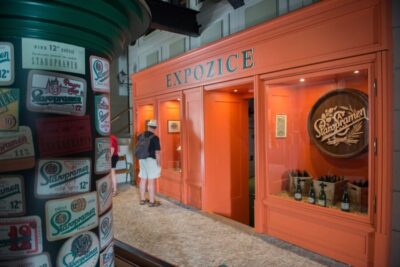
Prague: Staropramem Brewery Self-Guided Tour with Tasting
Read our review →
Hidden Brewery Caverns Tour in Cincinnati with Beer Tasting
Read our review →
Düsseldorf: Brewery Tour with Alt Beer Tastings
Read our review →

Bruges: Belgian Waffle-Making Workshop with Beer Tasting
Read our review →Browse the lists this tour appears in